
 DE
DE

Important facts
- What does ESG mean?
- ESG stands for environmental, social and corporate governance and makes it possible to assess sustainability within a company.
- Why is ESG relevant for companies?
- It influences risks, investor decisions, requirements in the supply chain and legal obligations.
- How are ESG criteria assessed?
- Via ESG ratings/scores based on public data, company information and industry comparisons.
- What significance do ESG criteria have for investors?
- They serve as a benchmark for risk and future viability and influence investment decisions.
- How are the criteria put into practice?
- Through anchoring in the strategy, reporting standards (e.g. ESRS/GRI) and concrete targets and measures.
- How does ESG differ from CSR?
- CSR is mostly voluntary, ESG is more measurable and is more strongly characterized by requirements and regulation.
Abstract
ESG stands for Environmental, Social and Governance. In short, it is about how companies not only promise sustainability, but also make it measurable: with clear criteria, key figures and reliable data. This is precisely why it is more than just "we are doing a little bit", because investors, customers and new requirements want to see results that are comprehensible.
In practice, this means reducing environmental impact (for example emissions and resource consumption), treating people fairly and responsibly (for example in terms of working conditions, safety and in the supply chain) and managing the whole thing properly with clear responsibilities, rules and controls. Those who implement ESG well recognize risks earlier, gain trust and are more stable in the long term. At the same time, it often takes time to get started because data, systems and standards need to be established.
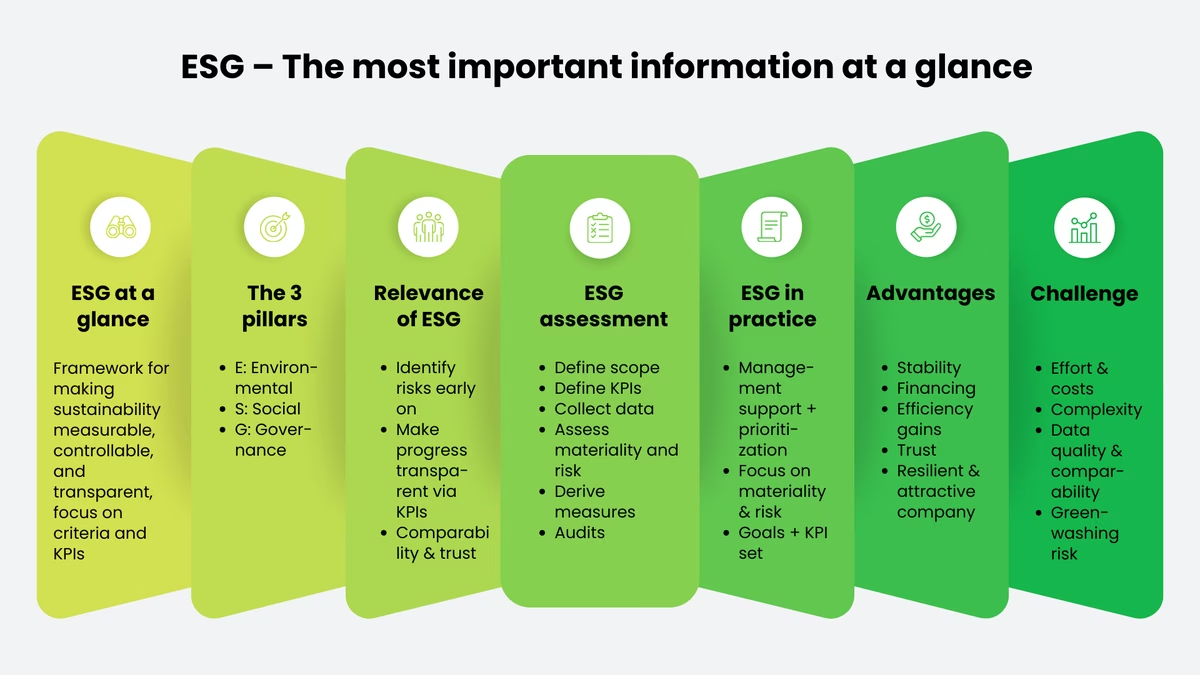
What does ESG mean?
Definition of ESG
ESG stands for Environmental , Social and Governance. The ESG framework helps to evaluate sustainability in the company in a structured way and make it measurable. This involves not only environmental measures, but also topics such as working conditions, human rights, diversity, compliance, risk management and transparent corporate governance.
Essentially, it shows the extent to which a company influences the environment and society and how responsibly it is managed. This includes, for example, key figures such as CO₂ emissions or energy consumption, but also the treatment of employees and standards in the supply chain. Because investors, customers and other stakeholders are paying more and more attention to such criteria, the concept is becoming increasingly important for companies - also in terms of reputation, financing and long-term success. Implementation can initially involve a lot of effort, but it is worth it in order to reduce risks and build trust.
ESG stands for Environmental, Social and Governance and focuses on topics such as working conditions, human rights, compliance, risk management and transparent corporate governance.
Background: The emergence of the ESG sustainability criteria
The criteria were created because the environment, social issues and good corporate governance became increasingly important for society and investors. Since the 1970s at the latest, due to energy and environmental crises, among other things, questions about the environmental impact of companies have come more into focus. In the 1990s, sustainability gained additional momentum, for example through international initiatives such as Agenda 21 (1992), which raised awareness of sustainable development worldwide. The 17 SDGs, launched by the United Nations, are another approach to promoting sustainability and corporate social responsibility.
At the same time, social aspects and governance issues also became more relevant: Working conditions, corruption prevention and responsible corporate governance were increasingly incorporated into investment decisions. Over time, initiatives and standards such as the UN Global Compact, the Global Reporting Initiative (GRI) and the (PRI) guidelines were established to make sustainable business practices more measurable and comparable.
Legal situation and regulatory framework
In many countries, governments have responded to this development by introducing new laws or amending existing laws. These laws require companies to report on their environmental, social and governance risks and opportunities. For example, there is the EU Disclosure Regulation or the French Energy Transition Act on the energy transition.
These rules have a major influence on how widespread the ESG criteria become. They give companies clear reasons to deal with these issues and to be transparent about them.
If you not only want to manage ESG internally, but also present it to the outside world in a comprehensible manner, a clear reporting framework helps. The German Sustainability Code (GSC) offers an established structure for consistently recording material topics and reporting them transparently, particularly as a pragmatic introduction or supplement to other reporting requirements.
Never miss an update on ESG & sustainability again.
New specialist articles, regulatory updates and practical tips, straight to your inbox. Once a week, no spam.
Why ESG is important for companies and investors
For companies, it has long been more than just a voluntary commitment: requirements and expectations from investors, customers and banks are increasingly making sustainability a duty. A clear ESG strategy helps to systematically implement environmental and social issues as well as good corporate governance and to identify risks at an early stage.
It is important that Environmental Social & Governance is not just done for image, but is firmly anchored in strategy and everyday life. This requires clear measures, sufficient resources and the support of employees. If implemented correctly, it strengthens trust, improves long-term stability and has a positive impact on the company and society.
Difference between ESG and traditional sustainability approaches
ESG differs from traditional sustainability approaches primarily in terms of structure, measurability and commitment. While sustainability and CSR (corporate social responsibility) have long been implemented through voluntary measures, mission statements or individual projects, ESG focuses more on concrete criteria, key figures and comprehensible results. This means that sustainability is not only "done", but also systematically evaluated and controllable.
Another difference is the perspective: traditional approaches often focus on social expectations and reputation. ESG, on the other hand, is closely linked to risk management, corporate governance and capital market requirements. Investors and banks use data to better assess risks (e.g. climate, supply chain or compliance risks) and make companies comparable.
The new concept is also gaining significant weight due to regulatory requirements. Many requirements are no longer optional, but are increasingly becoming mandatory through reporting standards and legislation. In short: traditional sustainability often describes the "want" - ESG turns it into "measure, control and prove". Would you like to find out more about sustainability? Click here for our article on sustainability in companies.
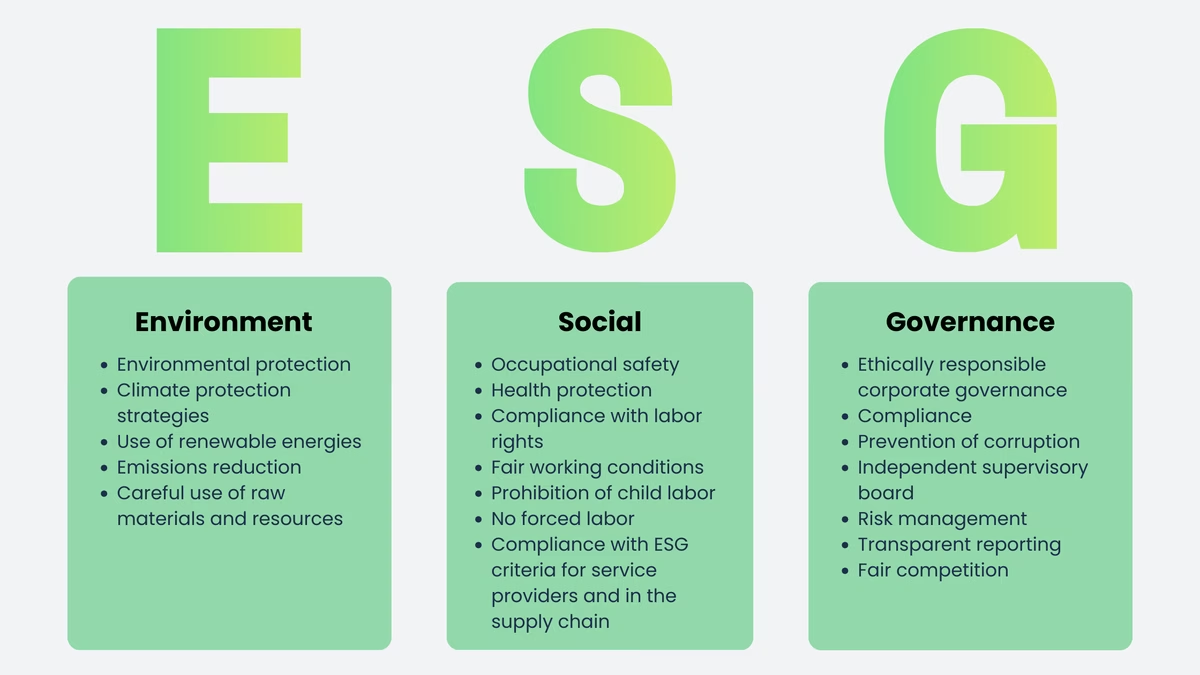
Environmental, social and corporate governance
E for Environment
An important part of the definition is the environment. Companies should reduce their impact on nature and make decisions that are environmentally friendly. This includes things like saving energy, avoiding waste, conserving resources and reducing CO² emissions. Sustainable business means always keeping an eye on how decisions affect the environment.
Customers and investors today place a high value on sustainability and want to know what measures a company is taking. When a company is transparent about its actions to protect the environment, the needs of stakeholders can be met and the bottom line improved. Sustainable corporate governance is important to protect the environment and ensure the future of the planet.
Many environmental measures are most effective when you not only reduce emissions, but also consistently think circularly about materials and products, from design and procurement to take-back and recycling. This allows the circular economy to be practically anchored in the company. Find out how to calculate your company's carbon footprint in our article on the carbon footprint.
S for Social
The social aspect is about the relationship between companies and their employees, customers, suppliers and society. Topics such as working conditions, human rights and commitment to the common good are taken into account. They must recognize their responsibility and take measures to meet social standards.
Companies influence society by assuming social responsibility. This means that they not only look at their own profits, but also at how they can have a positive impact on the community. Investors are finding this more and more important and are increasingly looking at this when investing. Customers and employees now also prefer companies that are considered socially responsible. It is therefore important for companies to act sustainably and incorporate social concerns into their management in order to be successful.
G for Governance
A successful ESG strategy takes a holistic view of three areas: environmental (E), social (S) and governance (G). Environmental and social issues are often at the forefront, but governance is also a central component of the framework. Governance describes how a company is managed and whether clear rules apply and ethical standards are adhered to.
This area deals with topics such as transparency, compliance, adherence to regulations and the fight against corruption. Companies should know that sustainable management can not only satisfy investors. They can also win customers and build long-term business relationships.
Good governance is also key because environmental impacts are not just reputational or cost issues, but in extreme cases are discussed as serious damage to ecosystems. The debate about ecocide makes it clear why companies need clear responsibilities, robust controls and effective prevention and remediation processes. You can find a classification of what is meant by ecocide and why the topic is becoming increasingly important for companies in our article on ecocide.
Interactions and synergies between the three pillars
The three pillars can hardly be separated in practice: They are closely interrelated and influence each other. Environmental measures often have an impact on social issues, for example when new processes change occupational safety. Conversely, fair working conditions, training and a good safety culture ensure that environmental and climate targets are reliably implemented in the first place.
This is particularly visible in the supply chain: deforestation-free procurement not only affects the environment, but often also human rights, land rights and fair incomes. And without good governance - i.e. clear responsibilities, transparent decisions, reliable data and controls - many initiatives remain difficult to verify.
Companies therefore benefit if they manage ESG in an integrated manner instead of working in silos. This allows them to identify conflicting goals early on, prioritize measures better and use resources more efficiently.
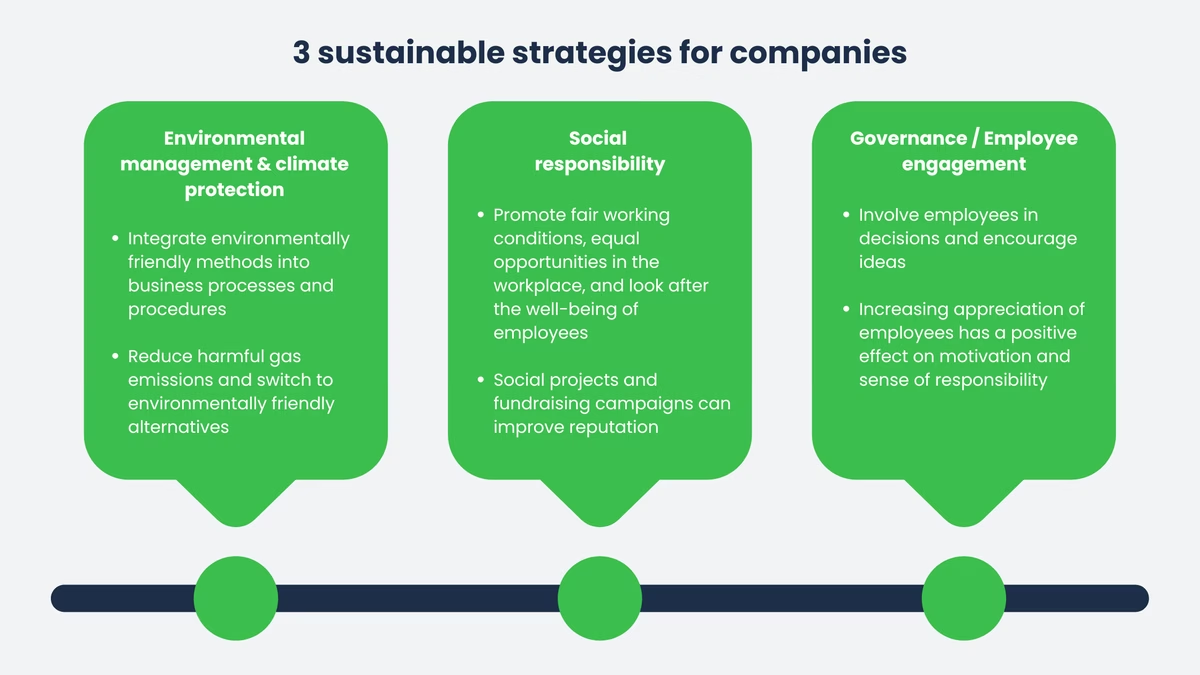
Integrating ESG into the company
Integration into the corporate strategy
Sustainable development requires a clear ESG strategy and measurable key figures. The three pillars should be firmly integrated into decisions and business processes. If they are neglected, credibility often suffers, as does performance in the long term.
Implementation is not always easy, especially when resources are scarce and standards are inconsistent. Sustainability reporting tools can help to pool data, measure progress and efficiently meet requirements such as the Corporate Sustainability Reporting Directive (CSRD).
Environmental management and climate protection
Good environmental management helps companies to reduce environmental damage, cut greenhouse gas emissions and embed more sustainable processes in their everyday operations. This can save costs and strengthen a company's reputation at the same time. Because climate requirements are increasingly having an impact along the value chain, emissions data is also becoming more important in the import context, for example through CBAM, which turns it into a compliance and data topic. It is also important to pay attention to sustainability in the supply chain. More on sustainable long-term supply chain management.
Those who seriously integrate environment, social and governance therefore also pay attention to a more sustainable supply chain and choose suppliers who implement environmental standards. It is crucial that measures are not only announced, but also permanently integrated into processes. Our article of the same name shows the causes and consequences of environmental pollution.
Typical key figures in the environmental area are e.g:
→ CO₂ emissions
→ Energy consumption
→ Water consumption
→ Recycling rate
Social responsibility
Social responsibility plays an important role in the successful implementation of environmental, social and governance measures. This is not just about profit and environmental protection, but above all about ethical standards and the well-being of employees. Equal opportunities in the workplace are just as important and can be promoted through diversity programs or mentoring. Fair working conditions are also important for the well-being of employees and their productivity. Companies can improve their reputation and help society through social projects or fundraising campaigns.
Typical key figures in the social area are e.g:
→ Employee satisfaction
→ Diversity rate
→ Accident frequency
→ Compliance with labor rights
Governance
Employee commitment also plays a decisive role. Employees must not only understand the company's goals and values, but also be able to actively participate in them. When employees are involved in decisions and are allowed to contribute their ideas, they feel valued and taken seriously. This has a direct impact on their motivation and their sense of responsibility towards the company's goals.
A positive corporate culture that focuses on sustainability promotes environmentally conscious action. Employees help to improve processes and find sustainable solutions. Their commitment strengthens the company's reputation both internally and externally. A platform should therefore be created where employees can contribute their ideas and play an active role in shaping them.
Typical key figures in the area of governance are e.g:
→ Independence of the Supervisory Board
→ Bribery and corruption cases
→ Transparency in remuneration
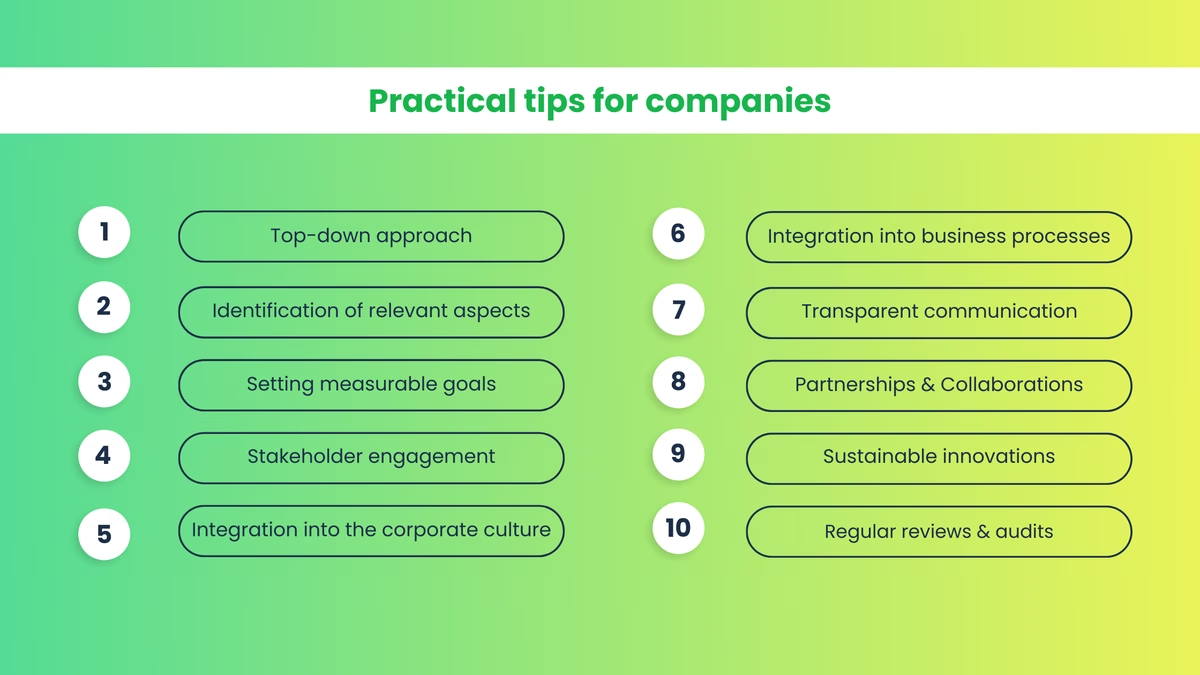
Practical tips on how companies can successfully integrate sustainability into their strategy:
It must be supported by the company management and integrated into the objectives. It is important that the strategy is communicated from the top down and is supported by all managers.
Companies should examine which criteria are most important for their industry and business activities. This will enable the factors to be integrated correctly.
You should set specific performance targets and measure and monitor them regularly. This enables progress to be tracked and the strategy to be adjusted if necessary. Find out more about the Sustainable Development Goals (SDGs).
It is important that the company involves all stakeholders in the integration process. Valuable ideas and perspectives can be gained through discussions with employees, customers, suppliers and other stakeholders.
Environmental Social and Governance should become part of the corporate culture and be embedded in daily business practices. This can be achieved through training, internal communication and incentive systems.
It should be integrated into the most important business processes, such as product development, supplier management and risk management. In this way, full consideration of the aspects can be ensured.
Companies should regularly report on what they are doing for the environment, social issues and good corporate governance in ESG reports. This shows that they are really trying to do positive things and it helps people to trust them.
In order to implement the measures and achieve the goals of sustainable development, it is important to enter into partnerships with non-profit organizations and industry associations. Joint projects and cooperation can increase success enormously.
Above all, companies should focus on finding creative and environmentally friendly solutions and recognizing new business opportunities in the area of sustainability. In future, sustainable thinking should be firmly anchored in the corporate culture.
The strategy should be regularly reviewed, updated and adapted to new framework conditions. A continuous improvement process is crucial for success here.
Introduce ESG criteria in the company?
With ESG reporting software from lawcode, all sustainability reporting requirements can be implemented in a simple and user-friendly way.
Roles and responsibilities: Who reviews and assesses the ESG sustainability criteria?
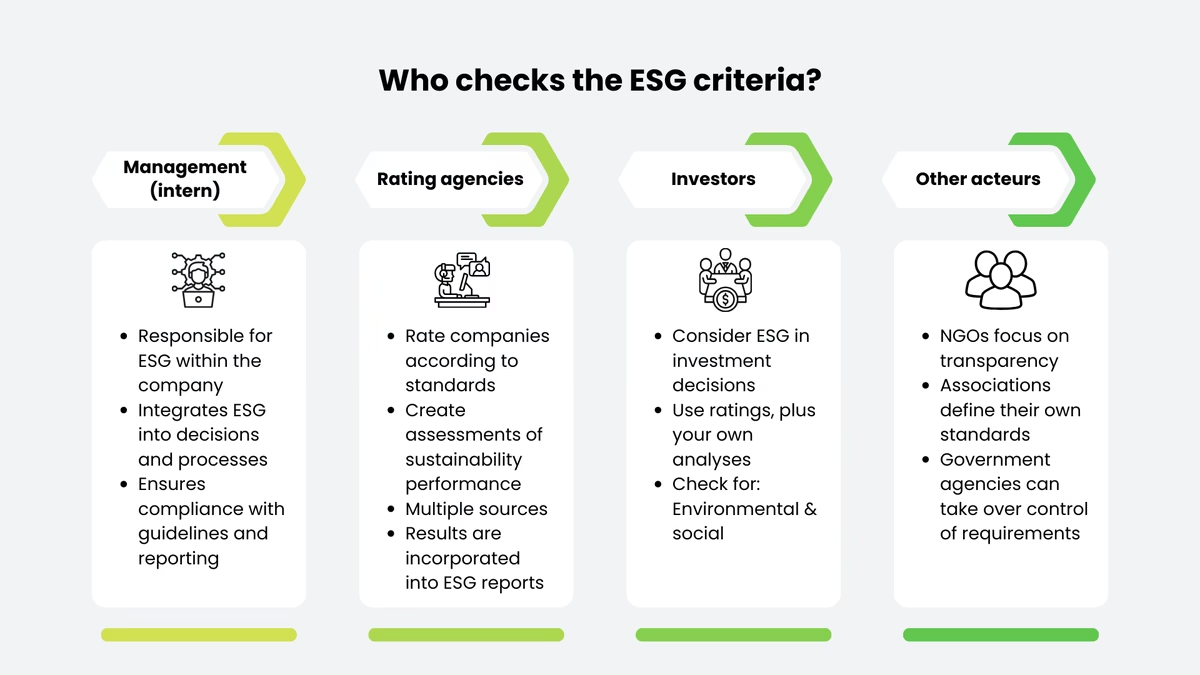
Ultimately, management bears the main responsibility. It must ensure that environmental, social and governance issues are taken into account when making decisions, that guidelines are adhered to and that the company reports transparently on a regular basis.
External bodies also take a look: sustainability and rating agencies assess companies according to fixed criteria and award ESG ratings. They primarily use publicly available information such as annual and sustainability reports or databases, and in some cases they also obtain additional details in discussions with the company.
Investors also play an active role. Many not only pay attention to ratings, but also check for themselves whether a company really meets their sustainability requirements. This involves emissions and resource use, for example, but also working conditions or human rights in the supply chain.
Other players are also often involved: NGOs, associations and government agencies. NGOs observe critically and increase the pressure for transparency. Associations work with their own standards or certificates, and authorities ensure that rules are adhered to.
Tools and methods for monitoring
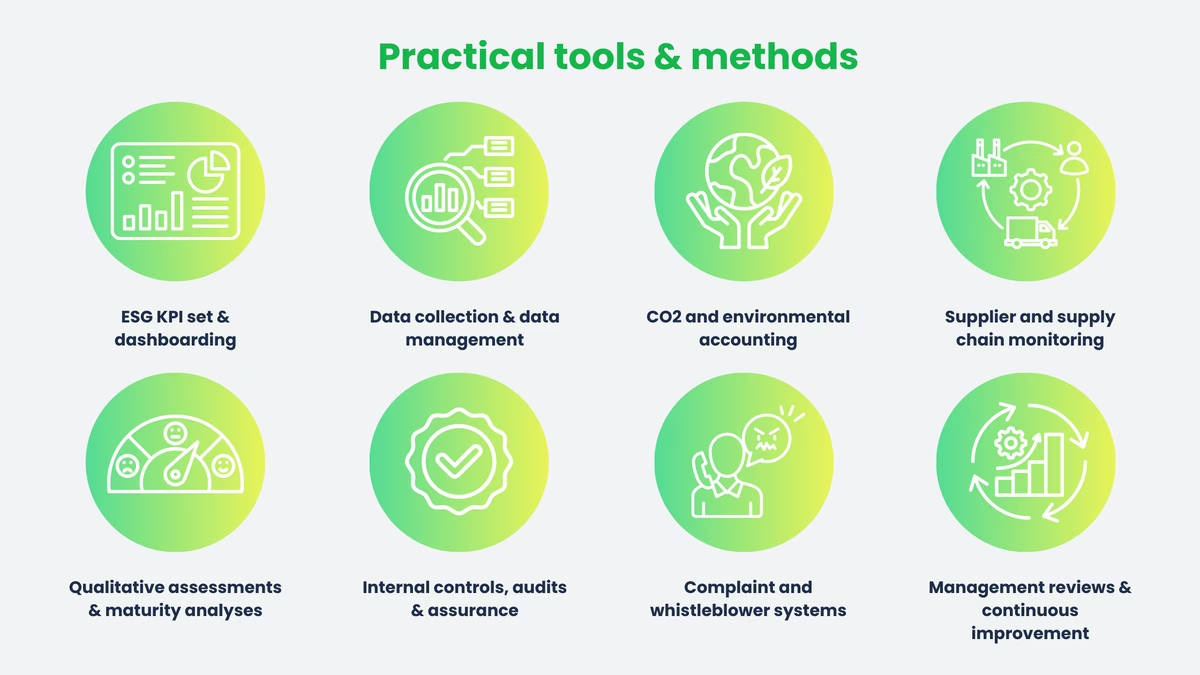
To ensure that ESG does not stop at goals and declarations of intent, companies need measurable key figures, clear processes and reliable data sources. Good performance monitoring ensures that progress is visible, deviations are noticed early on and measures can be adjusted in a targeted manner. Depending on the level of maturity, simple evaluations may be sufficient in the beginning - in the long term, a more integrated system landscape is often worthwhile.
Typical tools and methods used in practice are
- Definition of key performance indicators (e.g. emissions, energy, accident rate, training rate, compliance cases)
- Regular evaluation via dashboards for management and specialist departments
- Traffic light logic (target/actual) for rapid prioritization of the need for action
- Use of existing systems (ERP, HR, EHS, purchasing, finance) as data sources
- Uniform data standards, calculation logic and responsibilities ("data owner")
- Documentation of sources, assumptions and methods for traceability
- Greenhouse gas balance (Scope 1/2/3) as a basis for climate targets and measures
- Energy and resource monitoring (e.g. electricity, heat, water, waste)
- Life cycle analyses (LCA) or material evaluations for products and design decisions
- Our article on the GHG Protocol explains how to structure the carbon footprint correctly in terms of methodology (including scopes and system boundaries).
- Supplier questionnaires, self-disclosures and verification documents (e.g. certificates)
- Risk screenings (e.g. country, sector and product group risks)
- Audits and on-site assessments - supplemented by effectiveness-oriented programs (not just "tick box audits")
- Policy checks: What policies are in place, how well are they implemented?
- Interviews/workshops to assess culture, governance and responsibilities
- Maturity models to make development stages measurable (Basic → Advanced → Integrated)
- Spot checks on data quality and process effectiveness
- Internal audit for independent review (e.g. whistleblower system, compliance, supplier programs)
- External audit/assurance for ESG reporting (depending on requirements and standard)
- Channels for employees, suppliers and affected parties to report violations
- Evaluation of information as an early warning system for risks
- Follow-up of cases including remedial measures and lessons learned
- Regular management reviews (e.g. quarterly) with clear decisions
- Action tracking with responsible parties, deadlines and effectiveness checks
- Adjustment of targets and measures if data or risks change
The "perfect tool" is less important than a functioning process: clear KPIs, reliable data, fixed responsibilities and regular reviews. This makes ESG controllable - and progress can be clearly demonstrated to stakeholders.
Advantages and disadvantages of ESG
Advantages of a strategy with a focus on sustainability
Integrating ESG criteria into the business model brings clear benefits: it strengthens trust among customers, investors and potential employees, improves reputation and can increase customer loyalty. If measures are implemented consistently, this pays off in the long term and supports the future viability of the company. Below is an overview of the most important benefits.
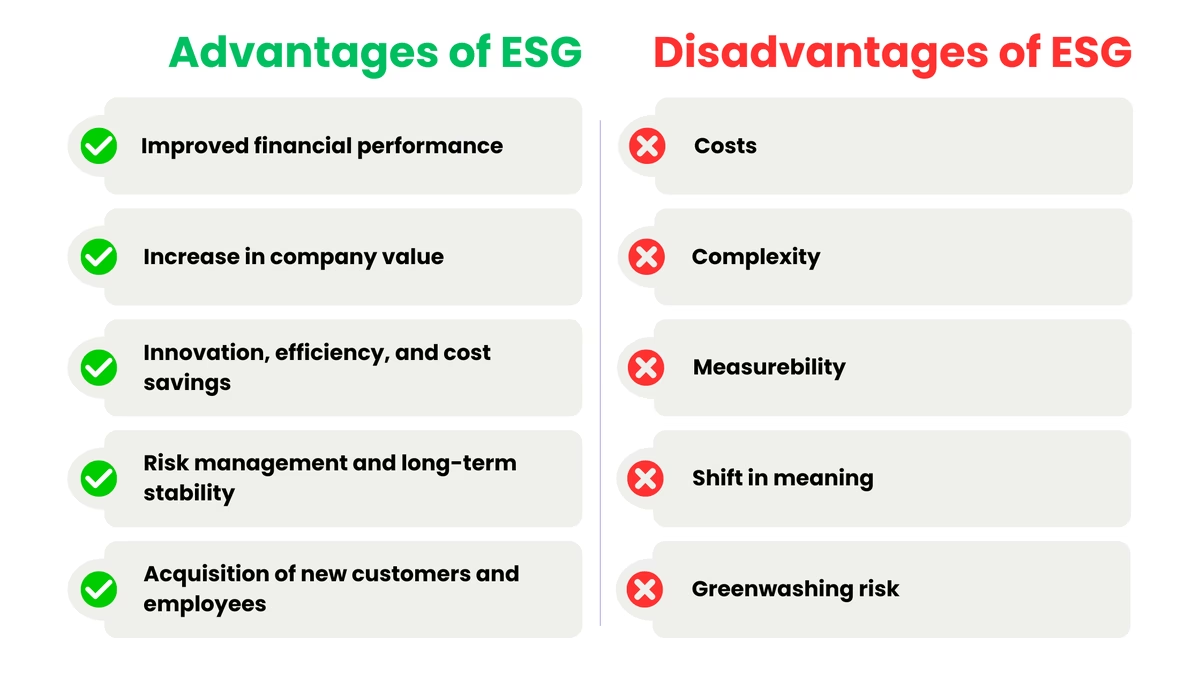
- Improved financial performance: Sustainable measures can pay off financially because they increase efficiency and reduce costs, for example for energy, materials or waste. They also often improve access to capital because banks and investors take greater account of risks. At the same time, the risk of expensive compliance or reputational damage is reduced.
- Increase in company value: A good profile often makes companies more attractive to investors because risks appear more transparent and easier to manage. This strengthens trust among stakeholders and can have a positive impact on valuation. In the long term, ESG helps to increase stability and sustainability.
- Innovation, efficiency and cost savings: ESG promotes innovation because companies are looking for more climate-friendly products, technologies and processes. Those who use resources more efficiently reduce energy and material consumption and thus save running costs. At the same time, new business opportunities arise, for example through sustainable offerings or new markets.
- Risk management and long-term stability: With Environment, Social & Governance, risks such as climate impacts, supply chain problems or governance violations can be identified earlier and reduced in a targeted manner. This makes companies more resilient to crises and changes in the market. Clear ESG management also improves internal control and decision-making quality.
- Attracting new customers and employees: Customers pay more attention to what companies stand for - credible sustainability can therefore increase loyalty and tap into new target groups. At the same time, companies with clear values and fair working conditions are perceived as attractive employers. This helps to attract talent and retain employees in the long term.
Disadvantages and challenges for companies
- Costs: Implementing the practices often requires investment in new technologies and training. This can result in additional costs. This can be a burden, especially for small and medium-sized companies that may not have sufficient resources.
- Complexity: If you look at the criteria, this means that you have to collect a lot of data, check it, create reports and monitor everything. This can be complicated and time-consuming, especially if you have to comply with various laws and standards.
- Measurability: It can be difficult to assess environmental social governance performance as there are no clear standards and companies are difficult to compare. This makes it difficult to track progress and communicate how well you are doing to other stakeholders.
- Shift in importance: Now and again, priorities may be shifted if the focus is exclusively on the sustainability criteria. This could lead to other important aspects being neglected if they are not considered relevant.
- Greenwashing risk: Sometimes companies only use the concept of sustainability to create a good image without actually changing anything in their business practices. So-called"greenwashing" can lead to environmental social governance and the idea of sustainable development no longer being taken seriously.
It is also important to consider the problems and difficulties and take measures to implement sustainable practices well and minimize risks. There are certain limitations and challenges in the application of environmental social governance that should be kept in mind. However, it is not always easy to act in an environmentally friendly way. Small companies in particular may find it difficult to allocate enough resources to meet the requirements.
How are the criteria checked and evaluated?
In order to review and evaluate ESG factors, many companies and external bodies use a combination of measurable indicators and qualitative assessments. The aim is to systematically record environmental impacts, working conditions and corporate structures and make them comparable. To this end, data is collected from various sources, checked and evaluated using clear assessment logics. Modern tools and software support companies in structuring large amounts of data, identifying trends and documenting evidence in a comprehensible manner.
How an ESG valuation works
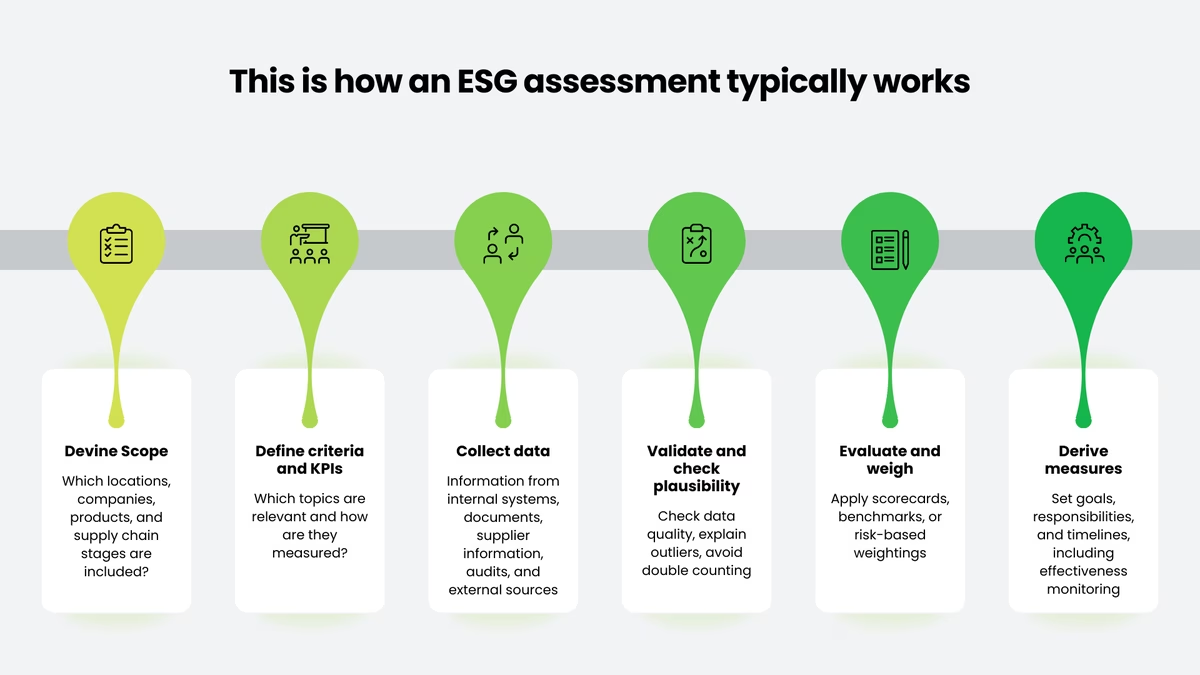
In practice, the review of criteria usually follows a similar procedure - regardless of whether the assessment is carried out internally or by rating agencies, auditors or investors:
- Define scope: Which locations, companies, products and supply chain stages are included?
- Define criteria and KPIs: Which topics are relevant (e.g. emissions, occupational safety, compliance) and how are they measured?
- Collect data: Information from internal systems, documents, supplier information, audits and external sources
- Validate and check plausibility: Check data quality, explain outliers, avoid double counting
- Evaluate and weight: Apply scorecards, benchmarks or risk-based weightings
- Derive measures: Define goals, responsibilities and timetables, including effectiveness monitoring
It is important to note that an assessment is not a one-off check, but works best as an ongoing improvement process in which progress is regularly reviewed and measures are readjusted.
Which data sources are used?
Assessments are based on a mixture of internal and external data. The scope and level of detail vary depending on the topic and degree of maturity. It is crucial that sources and assumptions are documented in a comprehensible manner.
Typical internal data sources:
- Environment/energy: energy consumption, emissions, water, waste, consumables
- HR and occupational health and safety: accident figures, training, fluctuation, sick leave, diversity data
- Compliance and governance: guidelines, training quotas, internal controls, incidents, investigations
- Purchasing and supply chain: supplier master data, product groups, country references, contract clauses
Typical external data sources:
- Supplier self-assessments, certificates and audit reports
- Industry benchmarks and ratings
- Country and sector risks (e.g. human rights or corruption indicators)
- Media reports, NGO analyses or public registers (depending on the issue)
Data is not always fully available, especially in the supply chain. This makes a risk-based approach all the more important: not everything at the same time, but first delve deeper into where the greatest risks and levers lie.
Quantitative analyses: making ESG measurable
Quantitative analyses work with key performance indicators (KPIs) to objectively measure performance, track developments over time and make targets manageable. Such KPIs also help to compare locations or business units and report progress transparently. Our article on the GHG Protocol explains how emissions are categorized and measured by scope.
Examples of quantitative KPIs
- CO₂ emissions (e.g. per year or per production unit)
- Energy consumption and share of renewable energies
- Water consumption, waste volumes, recycling rates
- Accident frequency (e.g. LTIFR), occupational health and safety indicators
- Training hours per employee
- Fluctuation rate, sickness rate, diversity percentages
- Compliance training rate, number of confirmed violations
- Audit findings and implementation rates of measures
- Processing times for reports or complaints
Quantitative data is particularly effective if it is clearly defined (e.g. same calculation methods) and regularly reviewed in a dashboard or reporting.
Qualitative analyses: examining processes, culture and effectiveness
Qualitative analyses supplement key figures where pure numbers are not enough. They assess whether structures and processes actually work, i.e. whether a company recognizes risks early on, responsibilities are clear and measures are effective in practice. This often involves interviews, document reviews, spot checks and maturity assessments.
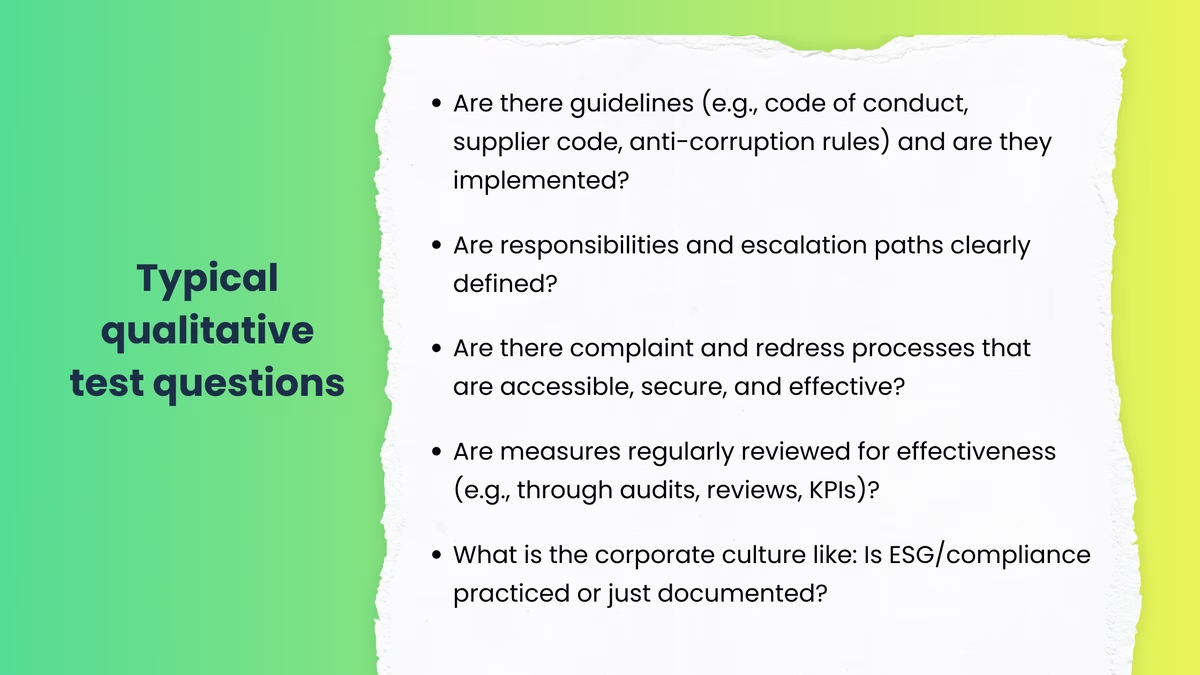
Typical qualitative test questions:
- Are there guidelines (e.g. Code of Conduct, Supplier Code, anti-corruption rules) and are they implemented?
- Are responsibilities and escalation channels clearly defined?
- Are complaints and redress processes in place that are accessible, safe and effective?
- Are measures regularly checked for effectiveness (e.g. through audits, reviews, KPIs)?
- What is the corporate culture like: Are ESG, sustainability and compliance practiced or just documented?
Qualitative analyses are particularly important in order to avoid "sham compliance" - i.e. situations in which rules exist on paper but do not apply in everyday life
Valuation logic: Why not everything counts the same
Many ESG assessments work with scorecards and weightings. This makes sense because not every topic is equally relevant for every industry. A manufacturing company, for example, is considered more strongly than a service provider when it comes to energy and emissions, while governance and compliance issues can be similarly important in many sectors.
Frequently used logics are:
- Materiality: What is particularly important for the business model and stakeholders?
- Risk-based: Where are the greatest potential negative effects to be expected?
- Performance + management: combination of key performance indicators (e.g. emissions) and process quality (e.g. controls, responsibilities, target system)
This creates an overall picture that not only measures "how high" a value is, but also assesses how well the company is managing.
Data quality and verifiability: what really counts
Data must be reliable and verifiable for valuations to be reliable. Particularly in the case of external inquiries (ratings, customer requirements, reporting), it is important that figures and statements can be substantiated in a comprehensible manner.
Important quality criteria:
- Traceability: Sources, time period, assumptions and calculation method are documented
- Consistency: same definitions across locations and units
- Plausibility: Deviations are explainable and justified
- Verifiability: Evidence is available (e.g. measured values, invoices, audit reports)
- Governance: clear data owner, approval processes and versioning
A practical approach is to treat sustainable data in a similar way to financial data: with responsibilities, controls and regular checks. We explain here which additional requirements for IT security and resilience become relevant with NIS2.
From valuation to management: making ESG effective
The real benefit arises when evaluations are not only "reportable", but also lead to better decisions. This is why results should always be translated into an action plan - with priorities, responsibilities, deadlines and regular effectiveness checks.
In short: ESG assessment is more than just collecting data. It is a tool for reducing risks, making progress measurable and anchoring sustainability as a management process within the company.
Conclusion
A clear ESG definition is crucial for companies in the European Union today if they want to implement sustainability in a serious and measurable way. Customers, investors and other stakeholders are increasingly paying attention to how corporate decisions affect the environment and society. Environmental, Social & Governance helps to structure goals and measures, make progress transparent and make sustainable investments easier to evaluate. In conjunction with regulations such as the EU taxonomy and CSR/CSRD, ESG is also becoming an important factor in remaining competitive.
Frequently asked questions
The term ESG stands for environmental, social and governance. It describes how companies manage their impact on the environment and society and how responsibly they are managed. ESG makes these topics measurable and comparable - internally for management and externally for stakeholders.
The concept is increasingly influencing how customers, investors and banks evaluate companies and what requirements they make. Good structures help to reduce risks such as problems in the supply chain, reputational damage or regulatory violations. At the same time, they can bring competitive advantages, for example in tenders or when it comes to financing conditions.
CSR often describes voluntary responsibility and activities that a company takes on - often with a stronger focus on communication. ESG, on the other hand, is more structured, data- and KPI-oriented and is increasingly driven by regulation and capital markets. Sustainability is the overarching term; it is a concrete framework for operationally managing and demonstrating sustainability.
E includes, for example, emissions, energy efficiency, resource consumption, waste, water and biodiversity. S includes working conditions, occupational safety, human rights, diversity and responsibility in the supply chain. G includes compliance, anti-corruption, transparency, supervisory bodies, remuneration systems and ethical behavior.
A pragmatic start is to take stock: which topics are really important for the business model and stakeholders, and where are the biggest risks? Based on this, objectives, responsibilities and an action plan are defined, including initial KPIs. It is important to start small, but to set up the process in such a way that it is scalable later on.
Typical KPIs include CO₂ emissions, energy and water consumption, accident rates, staff turnover, training, compliance cases and supplier evaluations. The data comes from internal systems (e.g. ERP, HR, EHS) as well as from supplier declarations, audits or questionnaires. Data quality is crucial: sources, assumptions and calculations should be documented in a comprehensible manner.
Ratings are prepared by specialized agencies and are based on public information, company data and industry-specific benchmarks. Differences arise because providers use different data sources, weightings and evaluation logics. It is therefore important to support your own story with reliable evidence and to provide consistent data.
Supply chains are a key lever because many risks to environmental and human rights arise there - especially in upstream stages. Due diligence obligations such as the LkSG/CSDD set minimum requirements for this, such as risk analysis, prevention, remediation and grievance mechanisms. Companies that integrate this early on reduce risks and become more compliant with customer and regulatory requirements.
Data gaps, limited resources, complex supply chains and the development of new processes and IT support are often challenging. Costs are incurred primarily through data collection, training, controls and supplier programs. It becomes pragmatic when companies prioritize, start with the biggest risks and roll out solutions step by step instead of trying to do everything at once.
Sustainable communication is credible if statements can be backed up by concrete data, goals, progress and limits. It is important not only to mention successes, but also to make challenges transparent and explain the methodology and data sources. Clear responsibilities and verifiable evidence significantly reduce the risk of greenwashing.

Larissa Ragg
LinkedInMarketing Managerin · lawcode GmbH
Larissa Ragg verantwortet die Content-Strategie bei lawcode und erstellt Fachbeiträge zu den Themen EUDR, ESG-Compliance, HinSchG, Supply Chain und CSRD. Ihre Beiträge auf dem lawcode Blog machen komplexe regulatorische Anforderungen verständlich und liefern Unternehmen praxisnahe Orientierung.