 EN
EN

Wichtige Fakten
- Was ist nachhaltige Beschaffung?
- Nachhaltige Beschaffung heißt, beim Einkauf Umwelt-, Sozial- und Ethikstandards über die gesamte Lieferkette hinweg zu berücksichtigen.
- Warum ist sie wichtig?
- Sie reduziert Umwelt- und Sozialrisiken und hilft, Vorgaben wie LkSG oder CSRD zu erfüllen.
- Welche Kriterien zählen?
- Wichtig sind z. B. CO₂- und Ressourceneinsatz, faire Arbeitsbedingungen und Menschenrechte sowie Qualität und Kosten.
- Wie kann nachhaltige Beschaffung umgesetzt werden?
- Starten Sie mit einer Ist-Analyse und klaren Zielen, bewerten Lieferanten nach Standards und verankern das in Prozessen mit regelmäßigem Monitoring.
- Was sind Vorteile für Unternehmen?
- Sie stärkt Reputation und Marke, senkt Lieferkettenrisiken und schafft Wettbewerbs- und Innovationsvorteile.
- Was hilft bei der Umsetzung?
- Schulungen, digitale Tools zur Lieferantenbewertung und klare Leitfäden bzw. Managementsysteme erleichtern die Umsetzung.
Kurzfassung
Nachhaltige Beschaffung bedeutet den Einkauf von Waren und Dienstleistungen unter Berücksichtigung ökologischer, sozialer und wirtschaftlicher Aspekte, um negative Auswirkungen auf Umwelt und Gesellschaft zu minimieren. Dies hilft Unternehmen, umweltfreundlicher und sozial verantwortungsbewusster zu handeln, was langfristig zu wirtschaftlichem Erfolg führen kann. Bei der nachhaltigen Beschaffung werden drei Kernaspekte berücksichtigt: ökologische Verantwortung, die Reduzierung von Emissionen, Abfall und Energieverbrauch umfasst; soziale Verantwortung, die faire Arbeitsbedingungen und die Achtung der Menschenrechte sicherstellt; und wirtschaftliche Effizienz, die die gesamten Lebenszykluskosten eines Produkts berücksichtigt. Die Vorteile nachhaltiger Beschaffung umfassen die Verbesserung des Markenimages, besseres Risikomanagement und langfristige Kosteneinsparungen. Allerdings können auch Nachteile wie höhere Anfangsinvestitionen, Herausforderungen bei der Umstellung und Compliance sowie Einschränkungen in der Lieferantenauswahl auftreten.
Für die Implementierung nachhaltiger Lieferketten müssen Unternehmen alle Beteiligten einbinden, klare Nachhaltigkeitskriterien festlegen, moderne Technologien und Datenanalyse nutzen, Nachhaltigkeit in den gesamten Einkaufsprozess integrieren, Partnerschaften mit nachhaltigen Lieferanten aufbauen und regelmäßige Überprüfungen durchführen. Nachhaltige Beschaffung bietet zahlreiche Vorteile für Unternehmen und die Gesellschaft, darunter eine stabilere Lieferkette, ein besseres Marktimage und eine geringere Umweltbelastung. Durch klare Nachhaltigkeitsziele und die Einbindung aller Beteiligten können Unternehmen zur globalen Nachhaltigkeit beitragen und ihre Wettbewerbsfähigkeit langfristig stärken.
Kein Update rund um Supply Chain mehr verpassen.
Neue Fachbeiträge, regulatorische Updates und Praxis-Tipps, direkt in Ihr Postfach. Einmal pro Woche, kein Spam.
Definition und Hintergrund
Nachhaltige Beschaffung oder nachhaltiger Einkauf bedeutet, Waren und Dienstleistungen zu kaufen, bei denen nicht nur wirtschaftliche, sondern auch soziale und umweltfreundliche Aspekte berücksichtigt werden. Das Ziel ist es, Produkte zu beziehen, die über ihren gesamten Lebenszyklus hinweg möglichst wenig negative Auswirkungen auf die Umwelt und die Gesellschaft haben.
Nachhaltigkeitsorientierte Beschaffung hilft Unternehmen dabei, umweltfreundlicher und sozial verantwortungsbewusster zu handeln, was langfristig zu mehr wirtschaftlichem Erfolg führen kann. Wenn Unternehmen Umwelt- und Sozialstandards einhalten, können sie Risiken besser kontrollieren, Gesetze einhalten und ihr Ansehen verbessern.
Umweltfreundliche Beschaffung wirkt nur dann, wenn sie im Tagesgeschäft in klare Prozesse übersetzt wird: Risikoanalyse, Lieferantenanforderungen, Prävention, Abhilfe und Dokumentation. Genau an dieser Schnittstelle setzt das Lieferkettensorgfaltspflichtengesetz (LKSG) an und macht aus guter Praxis verbindliche Mindeststandards. Wenn Sie wissen möchten, welche Schritte wirklich erforderlich sind und wie Sie diese mit Einkauf, Compliance und Lieferantenmanagement sauber aufsetzen, lesen Sie hier weiter: LKSG – der komplette Überblick für Unternehmen.
Aspekte der nachhaltigen Beschaffung:
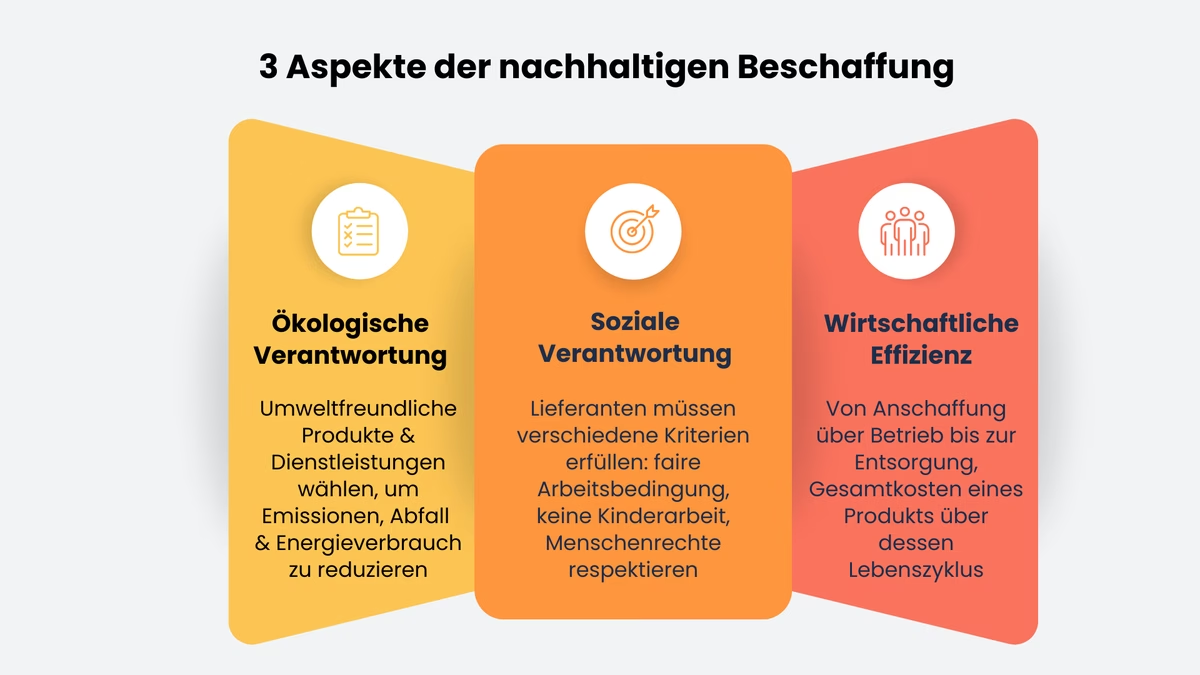
Folgende drei Kernaspekte werden bei einer nachhaltigen Beschaffung berücksichtigt:
- Ökologische Verantwortung: Auswahl von Produkten und Dienstleistungen, die umweltfreundlich sind, z.B. durch die Reduzierung von Emissionen, Abfall und Energieverbrauch.
- Soziale Verantwortung: Sicherstellung, dass Lieferanten faire Arbeitsbedingungen bieten, keine Kinderarbeit nutzen und die Menschenrechte respektieren.
- Wirtschaftliche Effizienz: Man sollte die Kosten über den gesamten Lebenszyklus eines Produkts bedenken. Es sollte nicht nur bedacht werden, wie viel das Produkt beim Kauf kostet, sondern auch die Kosten für den Betrieb und die Entsorgung.
Im Unterschied zur traditionellen Beschaffung, die meist kurzfristige Kosten und Effizienz in den Vordergrund stellt, achtet die nachhaltige Beschaffung auf die langfristigen Auswirkungen von Produkten und Dienstleistungen. Das beinhaltet die gesamten Kosten über die Lebensdauer eines Produkts hinweg zu betrachten, einschließlich der Umwelt- und Sozialkosten, die in herkömmlichen Beschaffungsmodellen oft nicht beachtet werden.
Um umweltbewusste Beschaffung richtig umzusetzen, sollte sie ein fester Teil der Unternehmensstrategie sein. Oft bedeutet das, dass man die üblichen Einkaufsmethoden zu ändern, was schwierig sein kann. Aber langfristig gesehen bringt ressourcenschonende Beschaffung große Vorteile mit sich. Das Hauptziel besteht darin, die Umweltschäden zu verringern und soziale Gerechtigkeit zu unterstützen. Unternehmen, die auf Produkte und Dienstleistungen setzen, die fair und umweltfreundlich hergestellt wurden, engagieren sich für eine nachhaltigere Wirtschaft.
Vor- und Nachteile
Heutzutage wird Nachhaltigkeit immer wichtiger, was bedeutet, dass Unternehmen ihre Einkaufsstrategien anpassen müssen. Zudem ändert sich weltweit die Art und Weise wie ein Unternehmen geführt wird, was sich auf die grüne Beschaffung zurückführen lässt. Dabei gibt es jedoch einige Herausforderungen zu beachten.
Vorteile von nachhaltigem Einkauf
Verbesserung des Markenimages: Unternehmen, die auf eine nachhaltige Beschaffung setzen, stärken ihr Markenimage und bauen Vertrauen bei Kunden und Partnern auf. Heute ziehen viele Verbraucher Marken vor, die auf ihre Umwelt- und Sozialwirkungen achten.
Risikomanagement: Wenn Unternehmen Nachhaltigkeit in ihre Beschaffungsprozesse einbauen, können sie Risiken wie Umweltkatastrophen, soziale Unruhen oder neue Vorschriften besser bewältigen. Das hilft ihnen, Unterbrechungen in der Lieferkette zu vermeiden und schützt ihren Ruf.
Langfristige Kosteneinsparungen: Da umweltfreundliche Beschaffung effizienter ist, weniger natürliche Ressourcen und Energien verbraucht, lassen sich dadurch auch Kosten einsparen. Besonders langfristig gesehen kann das große Einsparungen mit sich bringen.
Nachteile von nachhaltigem Einkauf
Höhere Anfangsinvestitionen: Der Wechsel zu nachhaltigen Beschaffungsmethoden kann am Anfang teurer sein. Zum Beispiel könnten umweltfreundliche Materialien oder faire Arbeitsbedingungen in der Produktion mehr kosten als die üblichen Methoden.
Umstellungs- und Compliance-Herausforderungen: Die Umstellung auf ökologische Beschaffung bedeutet meistens, dass bestehende Prozesse geändert werden müssen. Das kann zu Schwierigkeiten bei der Einhaltung von Regeln führen, besonders in globalen Lieferketten, wo sich die Umwelt- und Sozialstandards unterscheiden können.
Limitationen in der Lieferantenauswahl: Umweltbewusste Beschaffung kann die Auswahl an Lieferanten einschränken, weil nicht alle die nötigen Nachhaltigkeitsstandards erfüllen. Das kann besonders in spezialisierten Märkten schwierig sein, wo es nur wenige nachhaltige Optionen gibt.
Nachhaltige Lieferketten implementieren: So geht’s
Nachhaltige Lieferketten helfen Unternehmen nicht nur, umweltfreundlich und sozial verantwortlich zu handeln sondern auch widerstandsfähiger und effizienter zu werden. Wir erklären Ihnen die notwendigen strategischen Schritte, um dieses Ziel zu erreichen:
Schritt für Schritt nachhaltige Lieferketten implementieren
Um nachhaltige Lieferketten erfolgreich umzusetzen, müssen alle wichtigen Beteiligten mitmachen. Das sind nicht nur die Teams im Unternehmen, sondern auch Lieferanten, Kunden und Stakeholder. Es ist wichtig, die Nachhaltigkeitsziele klar zu kommunizieren und diese Gruppen regelmäßig einzubeziehen, damit sie die nachhaltigen Praktiken akzeptieren und umsetzen.
Unternehmen müssen klare Regeln festlegen, damit ihre Produkte und Dienstleistungen umweltfreundlich sind. Dazu gehört, dass sie schädliche Stoffe vermeiden, Fair-Trade-Standards einhalten und weniger CO₂ ausstoßen (mehr zum CO₂-Fußabdruck). Damit sichergestellt werden kann, dass die Lieferanten die Kriterien erfüllen, sollten sie in alle Beschaffungsrichtlinien und Verträge integriert werden.
Moderne Technologien wie Blockchain und künstliche Intelligenz sind nützlich, um Lieferketten zu überwachen und zu prüfen, ob Nachhaltigkeitsregeln eingehalten werden. Datenanalyse hilft dabei, Probleme zu erkennen und laufend Verbesserungen durchzuführen. Digitale Tools verbessern außerdem die Durchsichtigkeit der Lieferkette und ermöglichen es, genau zu sehen, woher Rohstoffe kommen.
Nachhaltigkeit muss in alle Phasen des Einkaufsprozesses integriert werden, von der Auswahl der Lieferanten bis hin zur endgültigen Beschaffung. Dazu gehört die Entwicklung von Einkaufspolitiken, die Nachhaltigkeitsziele unterstützen, sowie die Schulung der Mitarbeitenden in nachhaltigen Beschaffungspraktiken.
Außerdem ist es hilfreich, dauerhafte Beziehungen mit Lieferanten zu knüpfen, die auch auf Nachhaltigkeit achten. Wenn man zusammen an Dingen wie umweltfreundlicheren Produktionsmethoden oder Recyclingprogrammen arbeitet, kann das die Nachhaltigkeit der Lieferkette noch weiter verbessern.
Nachhaltige Lieferketten müssen immer wieder überprüft und angepasst werden. Dafür sollten Unternehmen regelmäßig ihre Methoden prüfen und sowohl interne als auch externe Überprüfungen durchführen. Nur so kann sichergestellt werden, dass sie ihre Nachhaltigkeitsziele auch erreichen. Rückmeldungen von Kunden und Lieferanten helfen auch dabei, die Abläufe zu verbessern.
Das Aufbauen von nachhaltigen Lieferketten ist eine Herausforderung, die Engagement und neue Ideen erfordert. Unternehmen, die nachhaltige Produkte beschaffen, verbessern nicht nur ihre Umweltbilanz und ihre Beziehungen in der Gesellschaft, sondern stärken auch langfristig ihre Wettbewerbsfähigkeit. Indem sie klare Nachhaltigkeitsziele setzen, verschiedene Technologien zur Überwachung nutzen und alle Beteiligten einbeziehen, können sie viel für die globale Nachhaltigkeit tun.
Leitfaden zum nachhaltigen Lieferketten-Management
In einer Welt, in der Nachhaltigkeit immer wichtiger für den Erfolg von Unternehmen wird, spielt das Verwalten der Lieferkette eine große Rolle. Dieser Leitfaden gibt praktische Tipps, wie man eine nachhaltige Lieferkette aufbaut, die umweltfreundlich ist und auch wirtschaftlich Sinn macht.
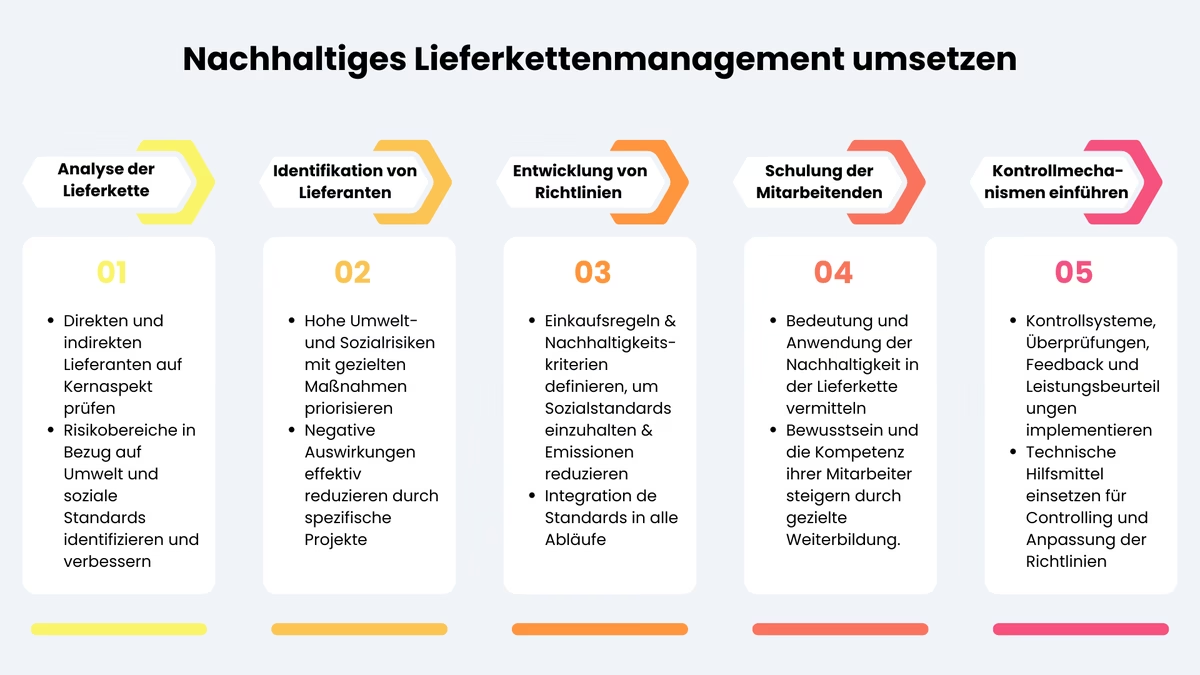
Schritt 1: Analyse der aktuellen Lieferkette
Starten Sie mit einer genauen Prüfung Ihrer aktuellen Lieferkette. Listen Sie alle Lieferanten auf und bewerten Sie, wie nachhaltig sie arbeiten. Beachten Sie dabei sowohl direkte als auch indirekte Lieferanten und prüfen Sie die Risiken in Bezug auf Umwelt und Soziales. Diese Untersuchung hilft Ihnen, Bereiche zu finden, die Sie verbessern können.
Schritt 2: Identifikation kritischer Lieferanten und Materialien
Finden Sie heraus, welche Lieferanten und Materialien die größten Umwelt- oder Sozialrisiken haben. Legen Sie fest, welche Maßnahmen Sie zuerst angehen wollen, um diese Probleme zu lösen. Planen Sie spezielle Projekte, um die negativen Auswirkungen gut zu verringern.
Schritt 3: Entwicklung von Richtlinien für nachhaltigen Einkauf
Legen Sie genaue Einkaufsregeln fest, die klare Kriterien für Nachhaltigkeit enthalten. Diese Regeln sollten etwa die Verwendung von recycelten Materialien, das Einhalten von Sozialstandards und das Verringern von Emissionen berücksichtigen. Nehmen Sie diese Standards in alle Vertragsverhandlungen und Einkaufsprozesse auf.
Schritt 4: Schulung der Mitarbeiter
Bilden Sie Ihre Mitarbeiter weiter. Führen Sie Schulungen und Workshops durch, um ihnen zu erklären, warum Nachhaltigkeit wichtig ist und wie sie das in der Lieferkette umsetzen können. Das hilft, dass alle mehr darüber wissen und besser mit nachhaltigen Methoden arbeiten können.
Schritt 5: Implementierung von Kontrollmechanismen
Setzen Sie gute Kontrollsysteme ein, um zu prüfen, ob Sie Ihre Nachhaltigkeitsziele erreichen. Nutzen Sie regelmäßige Überprüfungen, Feedback und Leistungsbeurteilungen, um Ihren Fortschritt zu messen und nötige Änderungen zu machen. Verwenden Sie auch technische Hilfsmittel, damit Sie alles klar und effizient überwachen können.
Fazit
Nachhaltige Beschaffung ist nicht nur wichtig und richtig, sondern bietet Unternehmen auch viele Vorteile – wirtschaftliche, soziale und für die Umwelt. Wenn Unternehmen Umwelt- und Sozialstandards in ihre Lieferketten einbauen, können sie Risiken besser managen, effizienter arbeiten und ihre Marke stärken. Die Vorteile sind vielfältig: ein besseres Image, treuere Kunden, weniger Kosten durch sparsameren Einsatz von Ressourcen und weniger Risiken bei Regelverstößen.
Unternehmen, die erst noch auf grüne Beschaffung umstellen müssen, sollten zuerst ihre aktuellen Lieferketten genau untersuchen. Das bedeutet, sie sollten die Umwelt- und Sozialauswirkungen ihrer Lieferanten bewerten und schauen, wo es Verbesserungsbedarf gibt. Es ist wichtig, dass Unternehmen klare Ziele für Nachhaltigkeit setzen und diese in ihre Geschäftsstrategie einbauen. Dabei kann es ein guter Anfang sein, Pilotprojekte mit ausgewählten nachhaltigen Lieferanten zu starten, um erste Erfahrungen zu sammeln.
Nachhaltiges Beschaffen bringt auf lange Sicht Vorteile für Unternehmen und die Gesellschaft. Unternehmen erhalten dadurch eine stabilere Lieferkette, eine bessere Stellung am Markt und eventuell auch öffentliche Aufträge. Gleichzeitig wird die Umwelt weniger belastet und es wird für mehr soziale Gerechtigkeit gesorgt. Solche Maßnahmen helfen, den ökologischen Fußabdruck zu verkleinern, die Lebensbedingungen in den Herstellungsländern zu verbessern und letztendlich zu einer dauerhafteren Weltwirtschaft beizutragen.
Häufige Fragen
Ressourcenorientierte Beschaffung bedeutet, dass Unternehmen Waren und Dienstleistungen unter Berücksichtigung ökologischer, sozialer und ökonomischer Kriterien einkaufen, um negative Auswirkungen auf Umwelt und Gesellschaft zu minimieren.
ESG-konforme Beschaffung ermöglicht es Unternehmen, ihren ökologischen Fußabdruck zu verringern, indem sie ressourcenschonende Lieferanten und Produkte auswählen. Zudem fördert sie die Einhaltung sozialer Standards und ethischer Arbeitsbedingungen entlang der Lieferkette. Langfristig führt dies zu Kosteneinsparungen durch effizientere Ressourcennutzung und stärkt das Unternehmensimage, was wiederum die Kundenbindung und den Zugang zu neuen Märkten verbessert.
Nachhaltige Beschaffung umfasst drei Kernaspekte: ökologische, soziale und ökonomische Aspekte. Ökologische Aspekte konzentrieren sich auf die Minimierung negativer Umweltauswirkungen bei der Auswahl von Materialien und Lieferanten. Soziale Aspekte gewährleisten faire Arbeitsbedingungen und unterstützen die Gemeinschaften, in denen Unternehmen tätig sind. Ökonomische Aspekte hingegen befassen sich mit der langfristigen Wirtschaftlichkeit und Stabilität der Lieferanten sowie der Einhaltung gesetzlicher Vorgaben. Durch die Integration dieser Aspekte in die Beschaffungsstrategie können Unternehmen verantwortungsvolle Entscheidungen treffen, die sowohl ihrer Reputation als auch ihrer Wettbewerbsfähigkeit zugutekommen.
Umweltfreundliche Beschaffung bietet Unternehmen vielfältige Vorteile, die ihre Wettbewerbsfähigkeit und Reputation stärken können. Erstens verbessert sie das Unternehmensimage, da umweltfreundliche und sozial verantwortliche Einkaufspraktiken das Vertrauen und die Loyalität von Kunden, Investoren und der Öffentlichkeit fördern. Zudem hilft sie bei der Einhaltung gesetzlicher Vorgaben, wodurch Unternehmen rechtliche Probleme und mögliche Strafen vermeiden können. Kosteneinsparungen durch Ressourceneffizienz sind ein weiterer Vorteil, da die Auswahl umweltfreundlicher Produkte und Dienstleistungen den Ressourcenverbrauch senkt und die Umweltbelastung minimiert. Schließlich stärkt nachhaltige Beschaffung die Kundenbindung, da ein verantwortungsbewusstes Handeln das Vertrauen in das Unternehmen erhöht. Durch die Integration dieser nachhaltigen Strategien positionieren sich Unternehmen als verantwortungsvolle Akteure, die ökologische, soziale und ökonomische Aspekte in Einklang bringen, was sowohl der Umwelt als auch ihrer eigenen Wettbewerbsfähigkeit zugutekommt.
Die Umsetzung nachhaltiger Beschaffungsstrategien bringt für Unternehmen verschiedene Herausforderungen mit sich. Die Einführung nachhaltiger Praktiken benötigt häufig höhere Anfangsinvestitionen, beispielsweise für die Umstellung auf umweltfreundliche Materialien oder Technologien. Zudem gestaltet sich die Analyse komplexer Lieferketten, insbesondere hinsichtlich ökologischer und sozialer Kriterien, als anspruchsvoll und verlangt detaillierte Informationen von allen Beteiligten. In einigen Branchen kann auch die begrenzte Verfügbarkeit nachhaltiger Produkte ein Problem darstellen, da es schwierig sein kann, geeignete Lieferanten zu finden, die den gewünschten Nachhaltigkeitsstandards entsprechen. Darüber hinaus können Konflikte zwischen Kosteneffizienz und Nachhaltigkeitszielen auftreten, da nachhaltige Produkte oder Dienstleistungen oft teurer sind als konventionelle Alternativen, was Spannungen zwischen Budgetrestriktionen und Nachhaltigkeitsbestrebungen zur Folge hat. Trotz dieser Herausforderungen erkennen viele Unternehmen den langfristigen Wert nachhaltiger Beschaffung, da sie zur Risikominimierung, Imageverbesserung und Einhaltung gesetzlicher Vorgaben beiträgt.
Die Entwicklung einer zukunftsfähigen Beschaffungsstrategie erfordert die Festlegung klarer Nachhaltigkeitskriterien, die in alle Einkaufsprozesse integriert werden sollten. Mitarbeiterschulungen sind essenziell, um das Bewusstsein für nachhaltige Praktiken zu schärfen und deren Umsetzung zu fördern. Eine enge Zusammenarbeit mit Lieferanten stellt sicher, dass Nachhaltigkeitsziele entlang der gesamten Lieferkette erreicht werden. Durch diese Maßnahmen können Unternehmen ökologische und soziale Verantwortung übernehmen und gleichzeitig langfristige wirtschaftliche Vorteile erzielen.
Lieferanten spielen eine wichtige Rolle in der nachhaltigen Beschaffung, da ihre Praktiken die gesamte Lieferkette beeinflussen. Die Auswahl von Lieferanten, die umweltfreundliche und ethische Standards einhalten, ist entscheidend, um ökologische und soziale Ziele zu erreichen. Eine enge Zusammenarbeit mit Lieferanten ermöglicht es Unternehmen, Nachhaltigkeitskriterien effektiv umzusetzen und Innovationen zu fördern. Zudem trägt die Integration von Nachhaltigkeit in die Lieferkette zur Risikominimierung und zur Einhaltung gesetzlicher Vorgaben bei. Daher ist die Entwicklung und Pflege nachhaltiger Lieferantenbeziehungen essenziell für den Erfolg einer nachhaltigen Beschaffungsstrategie.
Die Bewertung der Nachhaltigkeit in Lieferketten ist für Unternehmen wichtig, um ökologische und soziale Standards einzuhalten und Risiken zu minimieren. Regelmäßige Audits und Bewertungen anhand definierter Nachhaltigkeitskriterien ermöglichen es, die Praktiken von Lieferanten zu überprüfen und sicherzustellen, dass sie den Unternehmensstandards entsprechen. Die Integration von Zertifizierungen und Standards, wie beispielsweise ISO 14001 für Umweltmanagement oder Fair-Trade-Siegel, bietet dabei eine verlässliche Grundlage für die Bewertung und Überwachung nachhaltiger Praktiken entlang der gesamten Lieferkette.
Ja, es gibt gesetzliche Vorgaben zur nachhaltigen Beschaffung, insbesondere im öffentlichen Sektor. In Deutschland verpflichtet das Gesetz gegen Wettbewerbsbeschränkungen (GWB) in § 97 Abs. 3 öffentliche Auftraggeber, bei der Vergabe von Aufträgen soziale und umweltbezogene Aspekte zu berücksichtigen. Auf europäischer Ebene fördert die EU umweltorientiertes öffentliches Beschaffungswesen als Mittel zur nachhaltigen Entwicklung.
Zudem gibt es auf Länderebene Vergabevorschriften und auf Bundesebene interne Vorschriften zur nachhaltigen Beschaffung, wie zum Beispiel die Allgemeine Verwaltungsvorschrift zur klimafreundlichen Beschaffung (AVV Klima) oder das Maßnahmenprogramm Nachhaltigkeit der Bundesregierung. Diese rechtlichen Rahmenbedingungen zielen darauf ab, ökologische und soziale Kriterien in Beschaffungsprozessen zu verankern und somit nachhaltige Praktiken zu fördern.
Zertifizierungen sind entscheidend zur Unterstützung nachhaltiger Beschaffungspraktiken, da sie Unternehmen helfen, umwelt- und sozialverträgliche Standards nachzuweisen. Zu den bekanntesten Zertifizierungen gehören ISO 14001 für Umweltmanagementsysteme, Fair Trade für faire Handelspraktiken, FSC für nachhaltige Forstwirtschaft und GOTS für biologische Textilien. Weitere wichtige Zertifikate sind LEED für nachhaltiges Bauen, ENERGY STAR für energieeffiziente Produkte und USDA Organic für biologisch angebaute Lebensmittel. Durch die Beschaffung von zertifizierten Produkten und Dienstleistungen können Unternehmen Verantwortung übernehmen und sich als nachhaltige Akteure positionieren, was nicht nur ihrem Image, sondern auch der Umwelt zugutekommt.
Ressourcenschonende Beschaffung unterstützt die Erreichung der UN-Nachhaltigkeitsziele (SDGs), indem sie umweltfreundliche Produkte fördert, faire Arbeitsbedingungen sicherstellt und ethische Geschäftspraktiken in der Lieferkette etabliert. Dies trägt zur Umsetzung von Zielen wie nachhaltigem Konsum und Produktion (SDG 12) sowie menschenwürdiger Arbeit (SDG 8) bei. Durch verantwortungsbewusste Beschaffungsentscheidungen können Unternehmen und öffentliche Institutionen einen bedeutenden Beitrag zur globalen nachhaltigen Entwicklung leisten.
Branchen mit komplexen Lieferketten, wie die Textil-, Lebensmittel- und Elektronikindustrie, profitieren besonders von nachhaltiger Beschaffung. Durch die Integration ökologischer und sozialer Kriterien in ihre Einkaufsprozesse können sie Risiken minimieren, gesetzliche Vorgaben einhalten und ihr Unternehmensimage verbessern. Zudem führt nachhaltige Beschaffung zu Kosteneinsparungen und optimiert den Ressourceneinsatz, was die betriebliche Effizienz steigert. Letztlich stärkt dies die Wettbewerbsfähigkeit und eröffnet neue Marktchancen in einem zunehmend umweltbewussten Markt.
Um Greenwashing in der Beschaffung zu vermeiden, sollten Unternehmen klare und realistische Nachhaltigkeitsziele formulieren und transparente Informationen über ihre Praktiken bereitstellen. Eine unabhängige Verifizierung durch Dritte kann die Glaubwürdigkeit erhöhen, ebenso wie Schulungen für Mitarbeiter zur Sensibilisierung für nachhaltige Praktiken. Der Austausch mit Stakeholdern und die aktive Einbindung ihrer Rückmeldungen fördern ein authentisches Bild der Nachhaltigkeitsbemühungen. Regelmäßige Bewertungen der Beschaffungspraktiken helfen, sicherzustellen, dass Unternehmen ihre Nachhaltigkeitsziele erreichen und echte Fortschritte nachweisen können. Diese Maßnahmen tragen dazu bei, das Vertrauen von Kunden und Partnern zu stärken und langfristigen Erfolg zu sichern.

Alexander Hilmar
LinkedInESG-Compliance Experte · lawcode GmbH
Alexander Hilmar berät Unternehmen bei der Umsetzung von ESG-Compliance, nachhaltiger Berichterstattung und begleitet die Implementierung digitaler Lösungen für rechtssichere Lieferketten. Seine Fachbeiträge auf dem lawcode Blog verbinden regulatorische Tiefe mit praxisnahen Handlungsempfehlungen.