
 DE
DE


Important facts
- What is supplier evaluation?
- A structured process for analyzing and assessing suppliers based on qualitative and quantitative criteria - before, during and after the collaboration.
- Why is this process important?
- It ensures quality, reliability and sustainability, reduces risks in the supply chain and supports compliance with ESG and LkSG requirements.
- What are important evaluation criteria?
- Key criteria are quality and delivery reliability, price and cost-effectiveness, sustainability and environmental standards, social responsibility and the ability to innovate.
- What are common valuation methods?
- Typical methods include point assessment and scoring models, ABC analyses, audits and questionnaires, balanced scorecards and risk assessments including ESG risks.
- How does the supplier selection process work?
- It begins with the definition of requirements, followed by pre-selection and testing, evaluation according to defined criteria and the final decision and integration into the supplier network.
- What are the benefits of a supplier evaluation for companies?
- It creates a transparent basis for decision-making, strengthens long-term partnerships and increases the resilience and sustainability of the entire supply chain.
Abstract
The selection and evaluation of suppliers is a key process for companies in order to identify suitable partners from potential providers. Criteria such as quality, price, delivery capability, delivery times, costs, financial stability and compliance with standards are particularly important. A well-structured evaluation process creates a reliable basis for decision-making, helps to ensure quality requirements and strengthens an efficient and stable supply chain.
A professional approach also reduces risks and supports the development of long-term, trusting business relationships. In addition to economic factors, aspects such as sustainability and ethical standards should also be taken into account. Companies often use methods such as supplier questionnaires, audits and on-site visits, key performance indicators, ABC analysis and scoring models, which can be combined as required.
Supplier evaluation and selection: Definition, meaning and purpose
Supplier selection is an important process for companies, in which a suitable supplier is selected from a group of potential suppliers. The company's requirements and criteria are taken into account. Factors such as quality, price, delivery capability, reliability, technical capabilities and financial stability play a decisive role here. This ensures that the supplier is able to meet the company's needs and build long-term relationships.
In addition to the selection process, the evaluation of suppliers is also a crucial process in a company's procurement logistics, not least in order to comply with the Supply Chain Management Act. Here, individual suppliers are assessed on the basis of various criteria in order to evaluate their performance, reliability, quality and ability to meet requirements. Aspects that are included in the assessment include delivery times, costs, product and service quality, financial stability and compliance with standards and regulations.
A well-executed evaluation process helps with important decisions and ensures that the products a company receives meet the high standards it wishes to maintain for its customers. The systematic and documented supplier evaluation is primarily used for quality assurance and is based on pre-defined evaluation criteria and requirements. It follows on directly from the supplier identification process and is carried out by comparing potential suppliers.
Objective of supplier evaluation and selection
Supplier evaluation plays a crucial role in companies' procurement market research. Potential suppliers are identified and then evaluated by means of a precise supplier identification process. The main objectives of this evaluation are the objective comparison of suppliers to optimize supplier selection and the continuous monitoring of supplier quality in order to identify and correct quality fluctuations at an early stage. Effective supplier evaluation enables companies to make their procurement processes efficient and transparent. As sustainability is also playing an increasingly important role in logistics, companies should now also pay more attention to sustainable procurement and sustainable suppliers. This makes it easier to bridge supply bottlenecks and address potential weaknesses directly, which ultimately leads to a strengthening of the partnership between companies and suppliers.
ISO 9001 as part of the supplier selection process
ISO 9001 (din en iso 9001) is an internationally recognized standard for quality management systems that helps organizations develop and maintain effective systems to continuously improve the quality of their products and services.
ISO 9001 can play a crucial role in supplier evaluation and selection. Companies selecting suppliers must ensure that their suppliers meet quality standards and can deliver reliable products or services. ISO 9001 certification is a measure that a supplier has implemented a quality management system that meets the requirements of the standard.
By selecting ISO 9001-certified suppliers, companies can ensure that they meet certain quality standards and have implemented processes to monitor, measure and continuously improve quality. This helps to minimize the risk of quality problems, rejects and delivery delays.
When evaluating suppliers, companies can also assess the performance of their suppliers based on criteria defined in the ISO 9001 standard. This includes aspects such as meeting delivery deadlines, responding to customer requirements, product quality and the ability to react to deviations and implement corrective measures.
Overall, incorporating ISO 9001 into the supplier evaluation and selection process can help organizations identify reliable, high-quality suppliers and build long-term partnerships that meet their quality and business objectives.
Relevance of supplier selection and evaluation
A professional evaluation and selection of suppliers is crucial for an efficient and reliable supply chain. By closely examining potential suppliers, companies can ensure that the quality of the products or services meets the specified standards. At the same time, the evaluation helps to minimize and limit potential risks such as supply bottlenecks, poor product quality or financial instability. In addition, a thorough evaluation of suppliers helps to optimize and keep an eye on overall costs. Selecting reliable suppliers with reasonable prices can increase profitability and reduce financial risks.
Partnering with suppliers that meet high standards of service quality, regulatory compliance and financial stability helps to build long-term relationships. A comprehensive evaluation and selection of suppliers not only promotes the stability and reputation of the company, but also creates a framework for innovation and competitiveness. This is especially true when suppliers are selected that are able to adapt to the ever-changing needs of the business.
Especially in times of increasing globalization, the evaluation of suppliers is particularly important for companies. A well-founded supplier evaluation not only optimizes the selection process, but also minimizes the risks in the supply chain. Companies are faced with the challenge of selecting the right supplier from a large number of suppliers and at the same time having alternative options ready in the event of supply bottlenecks. The supplier evaluation therefore serves as an important basis for decision-making. In this way, companies not only create transparency in their supply chain, but also improve their strategic purchasing planning and implementation.
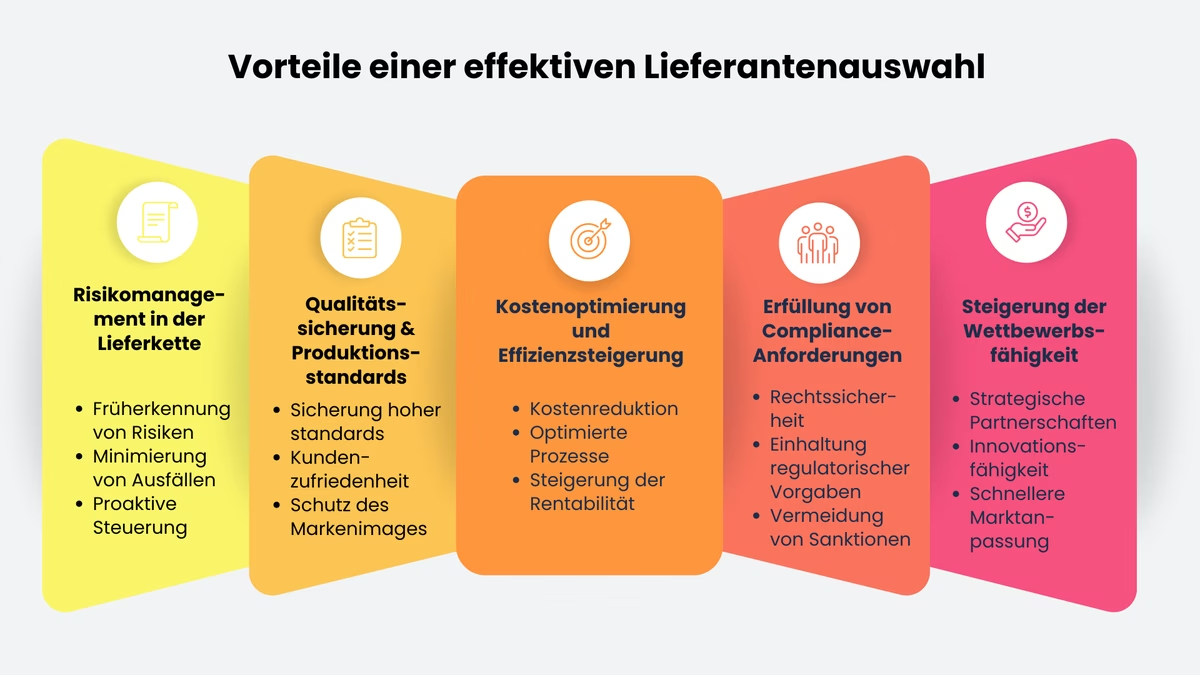
Advantages of effective supplier selection
Effective supplier evaluation plays a crucial role in supply chain risk management. In today's world, potential risks are present in every supplier relationship - from delivery delays and quality issues to legal and ethical compliance violations. By thoroughly evaluating suppliers, companies can identify these risks early and take proactive measures to minimize or even avoid them.
The quality of a company's products or services is largely dependent on the quality of its suppliers. A thorough selection and evaluation of suppliers enables companies to ensure that their products or services meet the highest quality standards. This not only serves to ensure customer satisfaction, but also to maintain a positive brand image and long-term competitiveness.
By efficiently evaluating suppliers, companies can not only identify and exploit cost optimization potential, but also increase their profitability. Selecting suppliers with competitive prices and favorable conditions enables companies to reduce their costs. In addition, by working with reliable and efficient suppliers, they can optimize their operations and improve the efficiency of their entire supply chain.
Compliance with laws, regulations and ethical standards is also important for companies. By thoroughly evaluating their suppliers, companies can ensure that these requirements are met. This is particularly important in areas such as healthcare, the food industry, environmental protection and labor law, where strict compliance requirements apply.
In a globalized world in which companies are highly competitive, it is essential to select and evaluate suppliers well. A company that finds the right suppliers and builds a close and trusting partnership with them has an advantage. It can react more quickly to changes in the market, implement new ideas and thus secure a firm place in the competition.
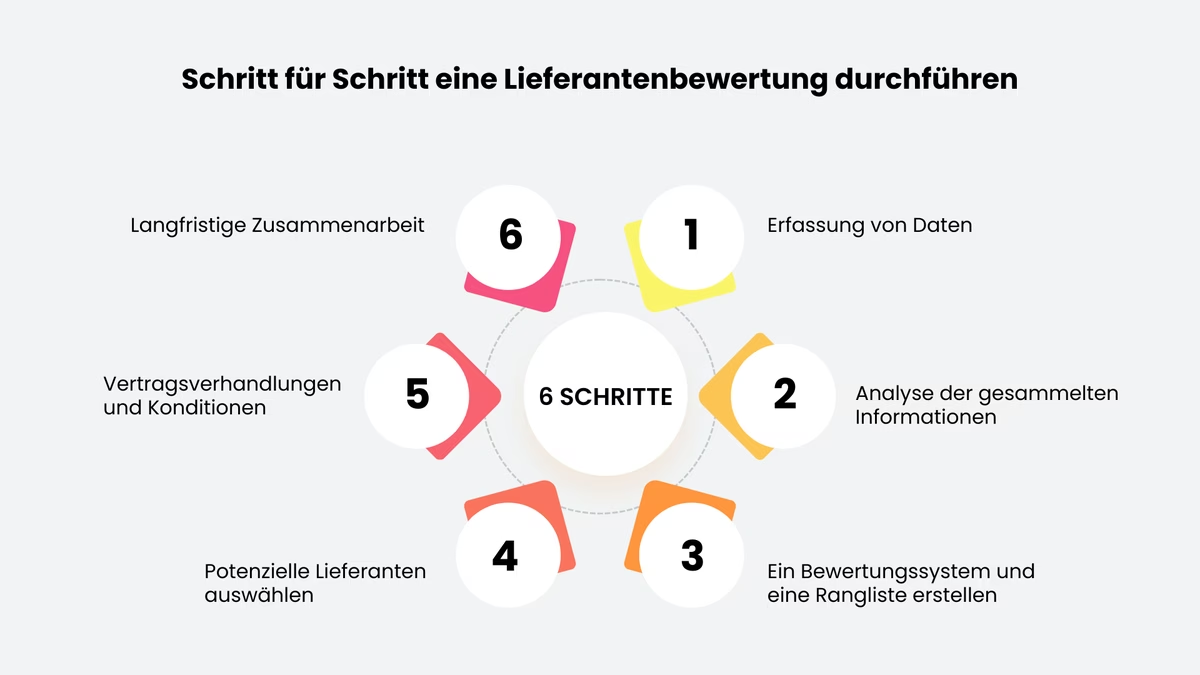
Carry out a supplier evaluation step by step
A structured approach and clear processes are crucial to mastering the complexity of evaluating and selecting suppliers. It is important that the defined processes are flexible enough to adapt to constantly changing market conditions and company requirements. We have put together a step-by-step guide to help you carry out a supplier evaluation quickly and easily:
1. collection of data
Data collection involves the systematic gathering of relevant information about potential suppliers. It involves analyzing the supplier's past performance, checking its financial situation, assessing the quality of its products, checking its ability to deliver and checking whether it complies with ethical standards. This information is obtained from internal data, supplier evaluation reports, customer feedback and market analyses.
Various questions should be considered in the analysis:
→ How much competition is there for the parts you need from suppliers?
→ What are your company's goals in terms of quality?
→ What is particularly important to customers - low costs, high quality or good service?
The answers to these questions help to identify which suppliers are best suited to the company. Selecting the right suppliers is a crucial step in successfully implementing the corporate strategy.
2. analysis of the information collected
Once the data has been collected, the information gathered should be carefully examined. This allows the strengths, weaknesses, opportunities and potential risks of suppliers to be identified at an early stage. The analysis should include a detailed assessment of the suppliers' performance, quality assurance, delivery times and flexibility, as well as their financial stability and ethical standards.
3. create a rating system and a ranking list
In the next step, the results of the suppliers should be compared. This allows the strengths, weaknesses and special features of each supplier to be clearly identified. It is advisable to carry out a comprehensive comparison. It helps to make the best decision, taking into account the company's strategic goals and long-term needs. Once the result of the analysis has been determined, a transparent and balanced evaluation system should be developed on this basis. Such a system enables an objective comparison of suppliers based on various criteria that meet the company's requirements. A ranking list can be created by awarding points or ratings in order to better compare and evaluate the performance of suppliers.
4. select potential suppliers
The relationship with the suppliers has now been established. The purchasing or procurement team should then clarify the question of what exactly the cooperation with the suppliers should look like in the meantime. There are two options here: Either you enter into a long-term partnership with a few suppliers and try to integrate them into the internal company processes (single sourcing). Or you can procure the required products from different suppliers worldwide, depending on the current situation and demand.
For this purpose, the ranking list created and the results of the supplier evaluation can be used to identify potential candidates. It is important that not only quantitative evaluations but also qualitative factors are taken into account. These include, for example, the potential for long-term collaboration, innovative ability and cultural fit.
5. contract negotiations and conditions
Intensive contract negotiations are an important part of supplier evaluation and selection. It is important when selecting a suitable supplier in order to reach clear agreements and achieve favorable conditions for both parties. Delivery times, prices, payment terms, quality standards, liability issues and other relevant contract components should be negotiated and recorded in writing in order to avoid grievances and disputes.
6 Long-term cooperation
The conclusion of a supplier contract marks the beginning of a hopefully long-term business relationship. It is therefore particularly important to ensure open and cooperative collaboration with suppliers. Only in this way can a business partnership develop appropriately and positively. Regular communication, open feedback loops and joint improvement discussions promote a long-term partnership. At the same time, mutual development and added value can be promoted.
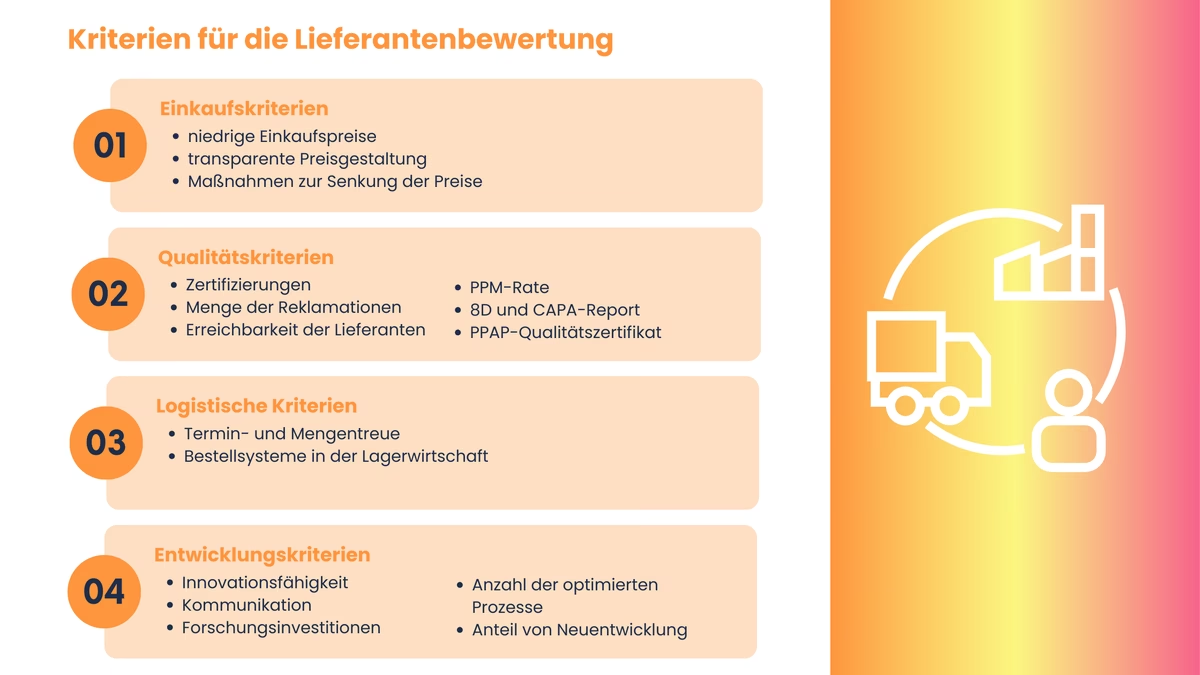
Criteria for supplier evaluation
When evaluating and selecting suppliers, it is crucial to take various evaluation criteria into account. This ensures that the company's needs and requirements are met. Information for the evaluation is typically obtained through supplier audits, production site inspections, certificates, customer feedback and sample deliveries. In order to develop a structured evaluation system, a company should carefully consider the selection of criteria and prioritize them accordingly. By weighting the criteria, the company can emphasize the aspects that are relevant to them. Criteria from different categories are available, and the weighting of the categories can also vary. It is important to bear in mind that not all assessments are quantifiable and that soft factors also play a role. Therefore, each company should develop a customized evaluation system in order to select the most suitable suppliers for its needs.
Purchasing criteria
When it comes to purchasing, price is often the most important criterion, especially for companies that sell their products for a small profit. Thorough research into the purchasing market can help a company understand the pricing of products. This is necessary to get an idea of how prices compare to others in the market. Since purchasing criteria take cost issues into account, they are often used by companies with low profit margins. The following criteria are relevant for purchasing: Purchase prices, payment term, transparent pricing through cost breakdown, measures to reduce prices as well as contracts and standard operating procedures.
Example of the application of purchasing criteria:
The fictitious company "Silberglanz AG" produces high-quality lamps. Due to the low profit margin on stainless steel lamps, the company has to pay particular attention to the purchasing criteria for this raw material. In order to be able to compare the various suppliers, the company attaches importance to low purchase prices, long payment terms, long-term price commitments and active supplier participation in price reductions. All these criteria are therefore taken into account when evaluating suppliers at "Silberglanz AG".
Quality criteria
When assessing suppliers, quality standards play the most important role for many companies. For this reason, they should be clearly defined. In order to manufacture products, companies need materials and services of the appropriate quality. Suppliers should therefore be able to meet these standards. Various criteria are used to assess the quality of suppliers: Certificates, documents or key figures of the products supplied can be used and checked for this purpose. Feedback from other customers or industry assessments can also provide important information about suppliers and their quality.
Examples of quality criteria
→ Certifications
→ Number of complaints
→ Supplier availability
→ PPM rate: Number of defective parts per million parts delivered
→ 8D and CAPA report
→ PPAP quality certificate: Quality in the Production Part Approval Process
Logistical criteria
Logistical criteria provide information on how reliable a supplier is. They can also be used to evaluate the ordering process. At a time when delivery systems are becoming increasingly interconnected, the automation of orders is gaining in importance.
Examples of logistical criteria:
→ Adherence to deadlines and quantities
→ Ordering systems in warehouse management
Development criteria
Suppliers are expected to continuously develop their products and be technologically up to date. They should also independently drive forward joint processes in order to ensure continuous optimization.
Examples of development criteria
→ Innovation capability
→ Communication
→ Research investments
→ Number of optimized processes
→ Proportion of new developments
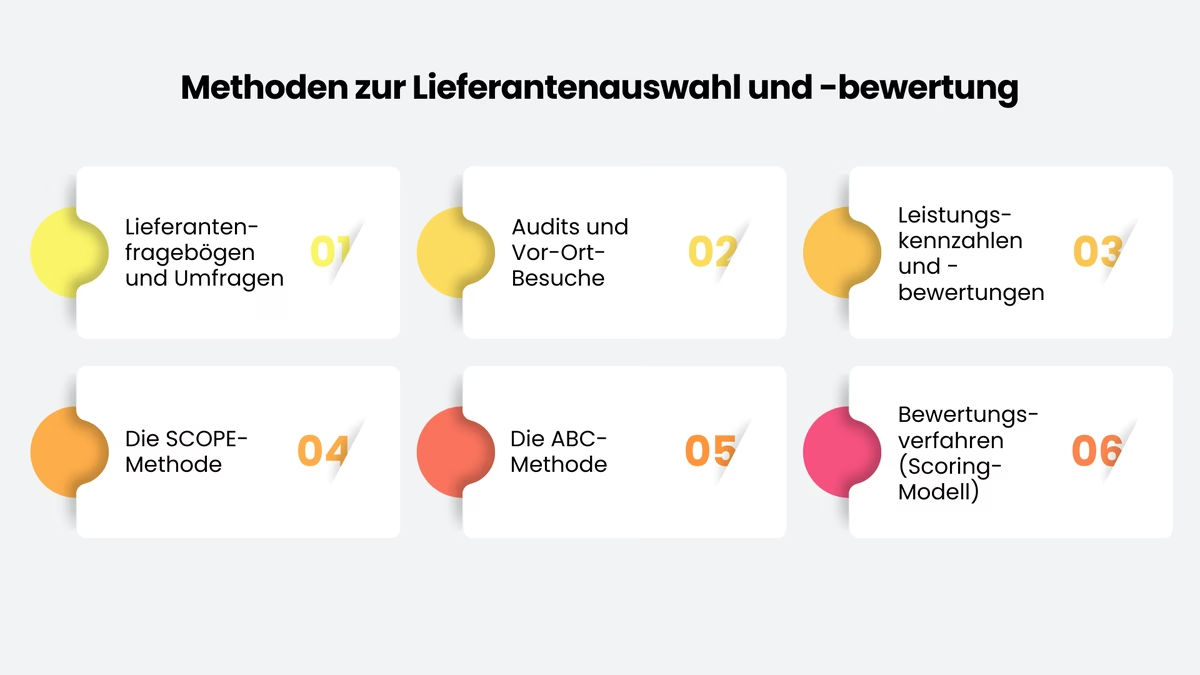
Methods for supplier selection and evaluation
In order to select and evaluate the best suppliers for a company, there are various methods that ensure that decisions are based on solid information.
1. supplier questionnaires and surveys:
Supplier questionnaires play a crucial role in the selection of suitable suppliers for companies. These standardized questionnaires are used to obtain important information from potential suppliers to ensure that they meet the company's requirements and are reliable partners. Through questionnaires and surveys, companies can collect targeted information on various supplier evaluation criteria. The questionnaires cover various aspects, including the supplier's company history, details of products and services offered, information on production capacities and information on quality controls and environmental standards. The data provides companies with a comprehensive overview of suppliers' strengths and weaknesses. By completing these questionnaires, companies can gain a holistic overview of potential suppliers and make informed decisions. Careful analysis of the answers in the supplier questionnaires makes it possible to select suppliers that not only meet qualitative requirements, but are also convincing in terms of environmental protection and sustainability. In this way, supplier questionnaires help to improve the transparency and quality of the supply chain and ensure that partners are chosen who are in line with the company's values.
In addition, questionnaires and surveys allow suppliers to contribute their perspectives and suggestions. This contributes to transparent communication and a better understanding of the expectations of both sides. When companies include the voices of their suppliers, they can strengthen their supplier relationships and build long-term partnerships based on trust and collaboration.
2. audits and on-site visits:
Supplier audits are structured checks to ensure that suppliers comply with quality standards, processes and regulations. These audits evaluate supplier performance, identify risks and potential for improvement. Companies can thus ensure that their suppliers meet the requirements in terms of product quality, ethical standards and sustainability. The audit results help to make informed decisions on supplier evaluation and selection and to build trusting relationships. By visiting suppliers, companies can see their production conditions, quality controls and working conditions for themselves.
3. key performance indicators and assessments:
Companies can assess the performance of suppliers by analyzing delivery times, error rates and feedback from end customers. Historical data plays a major role in assessing reliability and quality. Key performance indicators (KPIs) are particularly important as measurable indicators. They help to gain objective insights into the efficiency, reliability and quality of products or services. By using KPIs, companies can easily compare the performance of different suppliers and make meaningful decisions based on concrete data. The benefit of accurately analyzing supplier performance metrics, such as evaluating on-time delivery and supplier response time, can lead to long-term and successful partnerships. In this way, companies can ensure that their supply chains remain efficient and, above all, competitive.
4. the SCOPE method:
The SCOPE method structures and evaluates suppliers on the basis of five criteria. The SCOPE method is a structured evaluation procedure for analyzing the performance of suppliers in companies. By using objective criteria, opportunities for improvement can be identified. Regular use of this method helps companies to select the best suppliers and build long-term, successful partnerships.
SCOPE stands for Service, Cost, Operations, Performance and Ethics or efficiency.
- Service (services): This refers to how well the supplier is able to provide high quality products or services. This includes the speed of delivery, the reliability of the products or services and the responsiveness of the supplier to requests or problems.
- Cost: This refers to the overall cost structure of the supplier. Not only the pure price of the products or services is taken into account, but also hidden costs or aspects such as delivery conditions, payment terms and the total costs of the procurement process.
- Operations: This is where the efficiency and effectiveness of the supplier's operational processes are analyzed. This ensures that production runs smoothly and, above all, that delivery times can be met.
- Performance: This covers the general performance of the evaluated supplier. This includes criteria such as error rates, quality, reliability, delivery accuracy and compliance with contractual conditions.
- Ethics or efficiency: In some SCOPE approaches, ethical standards and the social responsibility of suppliers are considered here. This involves looking at whether compliance guidelines, environmental protection measures and fair working conditions are adhered to. In other approaches, however, the point of efficiency is included here. This involves looking at the supplier's efficiency in terms of processes and resource utilization. An efficient supplier should be able to minimize costs without compromising quality and make optimal use of its resources.
5th ABC method:
ABC analysis is a method of classifying items or suppliers based on their relative importance to a company. It is often used in the area of inventory management and procurement. The method is based on the assumption that not all items or suppliers are of equal importance or value to the company. The ABC analysis divides items or suppliers into three categories: A, B and C. Category "A" includes suppliers that represent a high value for the company. The value of the supplier can relate to the high proportion of turnover, the strategic importance or their products or services. Category "B" includes suppliers that have a medium value and influence on the company. Finally, category "C" includes suppliers with a low value and influence on the company.
ABC analysis is a useful tool for optimizing the use of resources and reducing the risk of bottlenecks or disruptions in the supply chain. This ensures smooth and efficient procurement and production.
6. evaluation procedure (scoring model):
Another common model in supplier evaluation and selection is the scoring model. Here, points are awarded for different criteria in order to evaluate the suppliers. Each criterion is assigned a certain number of points, which are then combined to produce an overall result. The supplier with the most points wins.
The methods presented are often combined with each other. This gives the company an even more comprehensive picture of a supplier's capabilities and reliability. The information gained helps to minimize risks and identify the best business partners for long-term cooperation.
Challenges and difficulties
Identifying and managing risks in the supply chain can be a major challenge. These include risks such as insolvency, political instability in suppliers' countries of origin, natural disasters or sudden changes in trade regulations. Careful analysis of potential risks and the development of strategies to mitigate or avoid risks are crucial for successful risk management.
Compliance with legal regulations and ethical standards in the supply chain can be a complex matter. Especially in global supply chains, companies must ensure that their suppliers do not commit human rights violations, use child labor or forced labor and comply with environmental standards. In order to comply with this, suppliers' activities must be carefully monitored. In some cases, audits and certifications must also be introduced.
Building and maintaining good relationships with suppliers can help to solve problems effectively and build long-term partnerships. To achieve this, communication with suppliers should be open and fair in order to build mutual trust. To maintain a positive relationship between companies and suppliers, companies should make sure to regularly seek feedback from suppliers and respond to their needs.
The use of technology, such as supplier assessment software or supply chain management tools, can help companies to improve transparency in the supply chain and achieve efficiency gains. By using data analysis, companies can identify potential risks at an early stage and make informed decisions.
In global supply chains, cultural differences and language barriers can make communication and collaboration with suppliers difficult. Companies should be aware of how cultural differences can affect business relationships and, where appropriate, provide intercultural training for employees to avoid misunderstandings and ensure effective collaboration.
Conclusion
Professional evaluation and selection of suppliers is a key success factor in ensuring a sustainable, reliable supply chain. Transparent criteria and structured processes - for example on quality, reliability, sustainability and value for money - enable companies to minimize risks in a targeted manner and build long-term, high-quality partnerships. Effective supplier management not only has a positive effect on the company's performance, but also strengthens its image and market position.
Cooperation based on partnership is also crucial: open communication, clear expectations and regular exchanges and feedback help to identify deviations early on and develop solutions together. This creates a win-win situation that creates stability, promotes innovation and enables continuous improvements along the entire value chain.

Karim Boukaouche
LinkedInESG-Compliance Experte · lawcode GmbH
Karim Boukaouche berät Unternehmen bei der Umsetzung der EU-Entwaldungsverordnung (EUDR) und begleitet die Implementierung digitaler Lösungen für rechtssichere Lieferketten. Seine Fachbeiträge auf dem lawcode Blog verbinden regulatorische Tiefe mit praxisnahen Handlungsempfehlungen.